Working from home promises comfort and freedom, but as many remote workers discover, it also introduces distractions that never existed in a traditional office. The silence that once felt peaceful may become isolating. The flexibility that once felt liberating can turn into chaos if it is not controlled. Productivity in remote work is not automatic — it is built. Without conscious systems, the same home that should support your work slowly starts sabotaging it.
In 2025, productivity is no longer about doing more. It is about doing the right things with less friction, less stress, and more clarity. The workers who succeed long-term are not the ones who exhaust themselves, but those who build routines, protect focus, and use technology intelligently instead of letting it use them. Productivity is not a personality trait. It is a structure.
One of the most powerful productivity principles is the idea that the human brain was not designed to work endlessly. Deep focus naturally happens in cycles. When you force yourself into nonstop work, performance gradually falls and mistakes rise. High-performing remote workers structure their work sessions in ways that respect the natural rhythm of the mind. When you work intensely in focused periods followed by intentional rest, your output improves without increasing exhaustion. This technique does not make you work longer. It makes your working hours more valuable.
Small tasks may seem harmless, but they accumulate silently. An unread email here, a tiny administrative task there, a quick message you postpone — soon your mental space is filled with unresolved clutter. This mental congestion is one of the fastest ways to feel overwhelmed while doing very little meaningful work. The principle of finishing simple tasks immediately is not about speed; it is about clearing mental weight. When small responsibilities no longer linger in your mind, your attention becomes lighter and easier to control. Procrastination is not always about laziness — it is often about overload. Removing minor tasks immediately reduces that overload.

Remote work makes time invisible. Hours pass without structure if you let them. A digital calendar is not just a schedule; it is a visual representation of your priorities. When your day is divided into clear blocks, work stops being abstract and becomes concrete. You no longer “work all day.” You work during defined periods with defined purpose. This transforms productivity from something emotional to something measurable. When you allocate time intentionally, urgency disappears and clarity replaces it. Instead of asking “What should I do now?” your schedule answers for you.
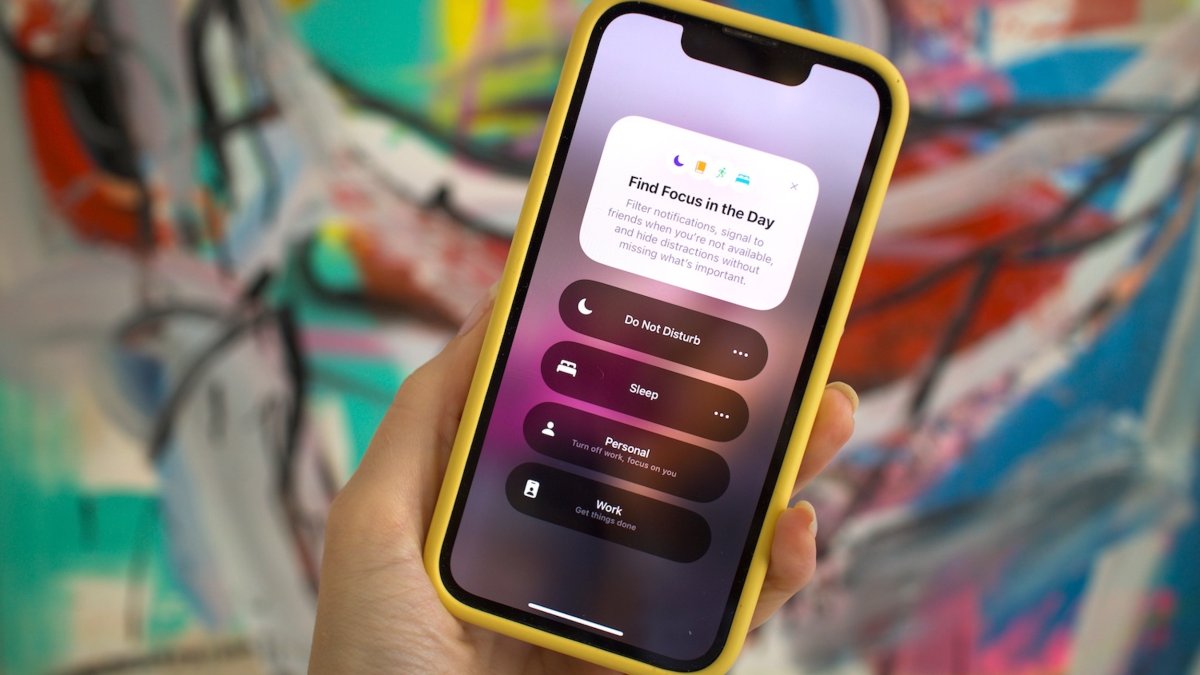
Notifications are productivity poison. Each alert steals attention, no matter how small it seems. Every time your focus is interrupted, your brain must restart. Over a full day, this cognitive reset destroys momentum more than any complex task ever could. In 2025, attention is more valuable than skill. A person with average skill and strong focus will outperform a highly skilled worker who is constantly distracted. Turning off unnecessary notifications is not a luxury — it is essential protection. Deep work cannot exist in an environment that invites interruption.
Some workers prefer shorter focus bursts rather than longer sessions. For them, structured cycles of intense focus and short rest periods increase concentration. The strength of this method is psychological. The task no longer feels endless. It feels contained. When work is mentally “short,” resistance decreases. The brain commits more easily when it feels that effort has an end. This technique works not because of the timing itself, but because it reframes work as manageable.
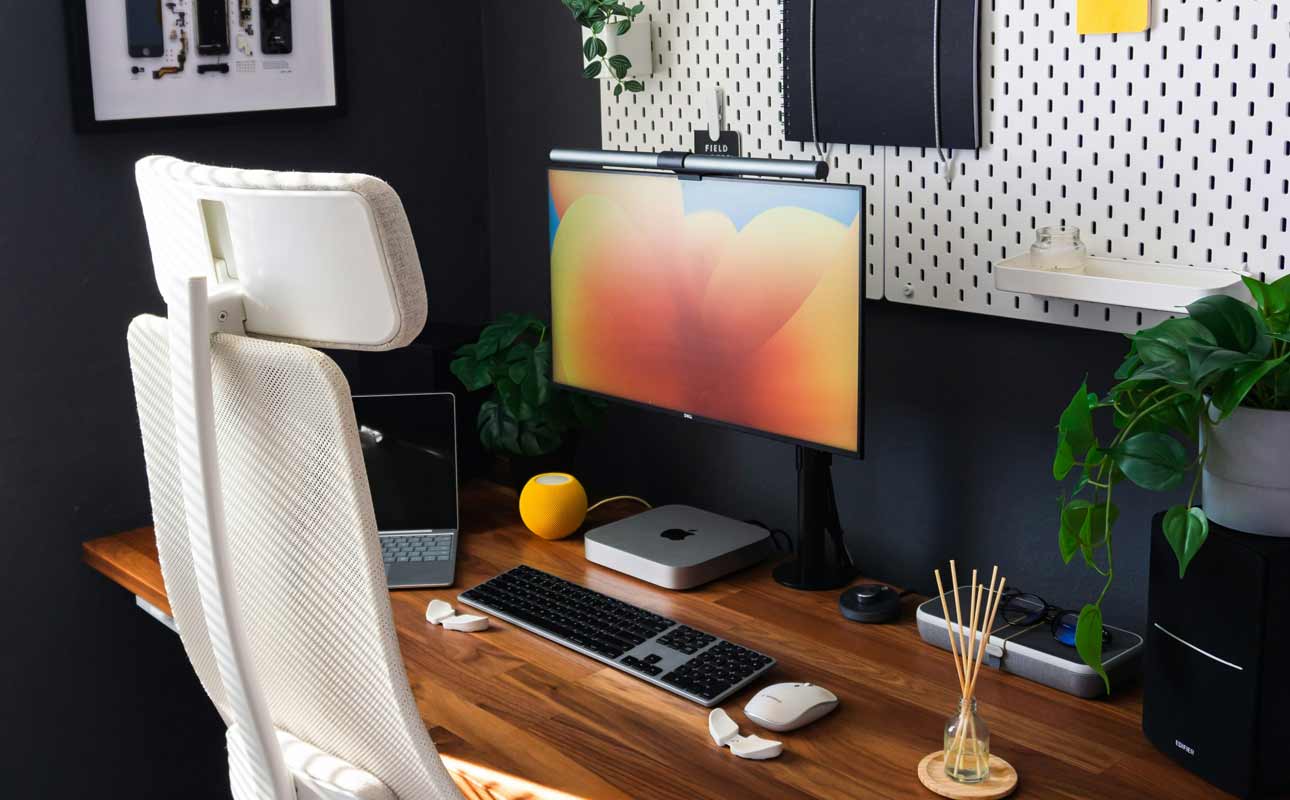
Environment also plays a critical role in productivity. Working from your bed, your couch, or random areas sends confusing signals to your mind. A dedicated work zone — even a small corner — helps your brain enter focus mode automatically. When your environment changes, your mental state follows. A professional space creates professional behavior. Productivity is not about motivation. It is about association. Your brain learns where it is supposed to perform.
Artificial intelligence is no longer a futuristic concept. It is now part of modern work reality. Used wisely, tools like writing assistants, automation systems, and productivity software remove repetitive mental labor and free time for deeper work. AI does not make you lazy. It makes you strategic. Delegating routine tasks to automation allows you to focus on creativity, decision-making, and problem-solving — the real value-creating activities. Productivity in 2025 is less about effort and more about intelligent leverage.
Every productive day has a starting point. The question that defines your day is not “What do I want to do?” but “What matters most?” Identifying the single task that will generate the biggest impact eliminates decision fatigue. Instead of juggling everything, you anchor your day to significance. Progress stops feeling random. It becomes intentional.
Tracking your time may feel uncomfortable, but it is powerful. When you measure where your time actually goes, illusion disappears. Many workers assume they are productive until real data reveals endless distraction. Awareness creates accountability. Once you see the truth, behavior changes naturally. Tracking is not a punishment. It is clarity. And clarity is power.
The day does not begin when you open your laptop. It begins when you tell your mind what kind of day it will be. Morning discipline stabilizes productivity. When you start your day intentionally rather than reactively, your mind enters focus faster and confusion fades. Ending your day with reflection closes the mental loops that cause stress. Without intentional mornings and evenings, emotional noise accumulates. With them, work becomes mentally lighter.

Stress is not always caused by workload. Often, it is caused by uncertainty. Not knowing what matters. Not knowing what is finished. Not knowing what tomorrow brings. The hacks that reduce stress are the ones that replace disorder with direction. Productivity does not remove pressure. It organizes it.
Remote work gives you freedom, but it does not give you discipline. That must be built deliberately. Each habit you create becomes a piece of infrastructure. Each routine becomes a pillar. Over time, productivity becomes less about effort and more about system design.
The most dangerous productivity myth is that you need to work harder to succeed. In reality, you need to work clearly. When your mind is uncluttered, your environment is optimized, and your systems are reliable, results come naturally. Progress becomes predictable.
The true productivity revolution in 2025 is not technology alone. It is mindset automation. You replace emotional decisions with structured behavior. You replace reaction with intention. You replace chaos with design.
When productivity systems are correctly built, work stops feeling like a burden. It becomes manageable, measurable, and meaningful. Remote work no longer exhausts you. It empowers you.
The future of work belongs to those who master attention. And attention belongs to those who build systems around it.