
Remote work looks attractive from the outside. No commute, flexible schedules, personal comfort, and the promise of greater control over your life all sound like clear wins. But whether remote work is right for you is not a simple yes-or-no question. It is a deeper evaluation of your personality, habits, emotional needs, and long-term goals. Many people jump into remote work assuming it automatically brings freedom and happiness, only to discover months later that they feel isolated, unfocused, or mentally exhausted. Others find that working from home transforms their lives in ways they never imagined possible. The difference is not luck. It is alignment.
Remote work changes more than your physical location. It changes your relationship with time, discipline, and isolation. When you remove an office from your life, you also remove the invisible support system that comes with it. There is no physical separation between work and rest. There are no colleagues around you to create rhythm through shared schedules. There is no built-in structure that pushes you into working mode every morning. You become responsible not just for your tasks, but for the conditions that allow those tasks to be completed. For some people, this responsibility feels empowering. For others, it quickly becomes overwhelming.
One of the first questions you must ask yourself is how comfortable you are being alone for long periods of time. Remote work does not necessarily mean complete isolation, but it does reduce spontaneous interaction significantly. You may go days without casual conversations, shared laughs, or social energy. If your mood depends strongly on daily contact with people, working from home can slowly drain your motivation and emotional balance. On the other hand, if you are comfortable being alone and value calm environments, remote work can feel like relief from constant noise and interruption. There is no right or wrong personality here, only awareness. Ignoring this aspect is one of the fastest ways to make remote work painful instead of productive.
Another essential factor is your relationship with structure. In a traditional work environment, structure is imposed. You start work at a certain time, take breaks at a certain time, and usually finish at a certain time. At home, all of this becomes optional. The danger is not freedom itself, but the illusion that you can function without structure. Many people discover the hard way that flexibility without routine leads to chaos. If you struggle to organize your day, to follow personal schedules, or to start tasks without external pressure, remote work will amplify those weaknesses. Instead of fixing them, the freedom of working from home often exposes them. This exposure can become a powerful opportunity for growth, but only if you are willing to build discipline instead of waiting for motivation to appear.
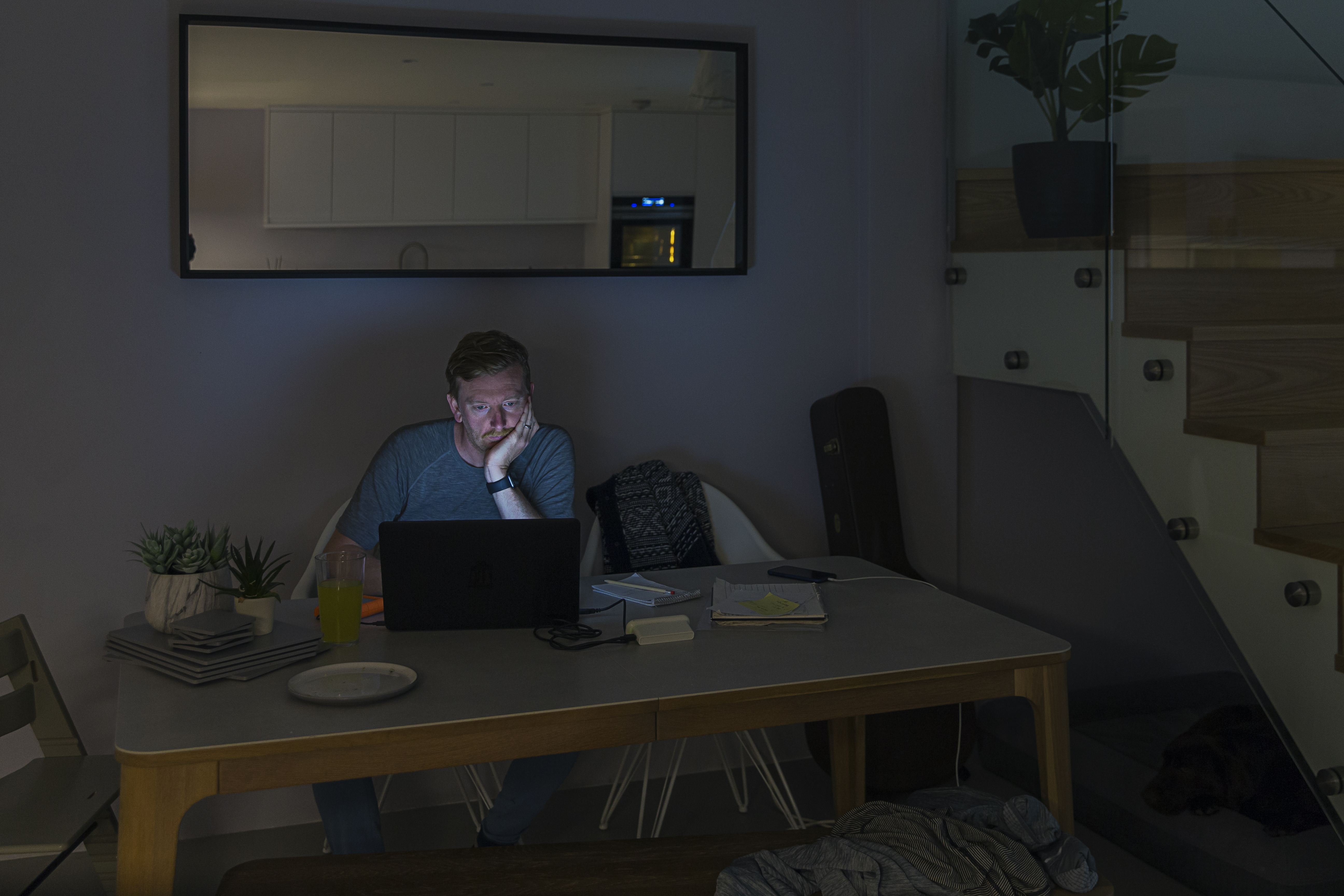
You should also consider how you respond to ambiguity. Offices provide continuous feedback through meetings, conversations, and visible activity. You typically know whether you are doing well or poorly because results are often discussed openly. Remote work often removes that feedback loop. You may complete tasks without immediate recognition, work for hours without validation, and feel uncertain about whether your efforts are truly making an impact. For individuals who need frequent reassurance, remote work can create anxiety. For those who are internally motivated and comfortable measuring their own progress, it can be liberating.
Another overlooked aspect of remote work is the impact on mental health. Working from home can reduce stress caused by commuting, office politics, and constant interruptions. However, it can also introduce new forms of pressure. Loneliness, blurred boundaries, and the feeling of always being “reachable” can quietly affect your emotional stability. Over time, this leads some people into patterns of overworking or complete disengagement. Remote work does not remove stress; it changes its form. Understanding whether you handle emotional pressure by building routines or by escaping responsibilities is critical when deciding if this lifestyle suits you.
Your lifestyle outside of work also matters more than you might think. Remote work fits some life situations better than others. People who have a stable home environment, a quiet space to work, and supportive relationships often adapt more easily. Those who live in chaotic environments or lack privacy struggle to maintain focus and emotional balance. While it is possible to make remote work function in difficult conditions, it requires extra effort and honest adjustment. Pretending that environment does not matter is simply unrealistic.

Another important question is how much you rely on external pressure to perform. In an office, deadlines feel immediate and visible. At home, pressure becomes silent. Nobody is watching. Nobody notices small delays. Nobody confronts you when you lose focus. If your productivity depends heavily on supervision, this transition can feel uncomfortable at first and dangerous if left unaddressed. Some people need external accountability to function at their best. Others thrive when left alone to manage their time. Remote work is not about being better than others; it is about knowing how you function best.
Remote work also reveals your relationship with technology. When your job depends entirely on digital tools, your interaction with screens intensifies. If you already struggle with distraction, endless scrolling, or digital fatigue, working from home may amplify those habits. The same internet that allows you to work also tempts you with constant entertainment. Whether you can build healthy digital boundaries plays a major role in your long-term success.
One of the deepest changes remote work creates is in how you perceive freedom. Many people think freedom means having fewer rules. In reality, freedom means having better ones. Without self-imposed limits, life becomes reactive. You respond to messages, requests, and demands as they come. Work becomes scattered pieces instead of a coherent process. People who thrive in remote work usually redefine freedom as control over their day, not escape from responsibility. If your concept of freedom is primarily about avoiding discomfort, remote work will eventually disappoint you.
Remote work is also a test of patience. Progress can feel slower when you do not see others around you striving and advancing. The absence of visible competition can decrease urgency. You may find yourself comfortable but stagnant. This is not always a bad thing, but if growth matters to you, you must actively seek challenges. Remote work rarely pushes you by default. You push yourself.

It is also important to ask yourself what you truly want from work. Do you value stability, or do you value autonomy? Do you prefer clear instructions, or do you enjoy solving problems independently? Do you need consistent interaction, or are you energized by solitude? These questions may sound philosophical, but they define whether remote work becomes empowering or exhausting.
Another factor often ignored is long-term sustainability. Some people love working from home for the first year and then slowly realize that they miss community, mentorship, or creative collaboration. Others discover that the quiet allows them to grow faster than ever. You cannot fully predict how you will feel in five years, but you can examine your past behavior. If you thrive when you have freedom, responsibility, and quiet spaces, remote work is likely to suit you well. If you consistently seek structure and social energy to function, you may struggle without building strong compensatory systems.
Remote work also challenges your identity. In offices, roles are visible. Titles matter. Hierarchies exist physically around you. At home, your position becomes abstract. This can be freeing, but it can also feel disorienting. Some individuals draw confidence from organizational belonging. Others prefer independence over identity through job titles. Understanding where you stand emotionally makes a big difference.
In the end, remote work is not about escaping something. It is about choosing a way of working that fits who you are and who you want to become. It demands maturity, honesty, and discipline. It offers autonomy, peace, and creative freedom in return. There is no universal answer to whether remote work is right for you, but there is a personal answer waiting to be discovered through reflection.
If you choose remote work simply because it looks comfortable, you may be disappointed. If you choose it because it aligns with your temperament, values, and goals, it can transform your life. The strongest indicator of success is not intelligence or talent. It is self-awareness. Remote work rewards those who understand themselves and punishes those who ignore themselves.
Before deciding, do not ask whether remote work is popular or convenient. Ask whether it fits the person you are when nobody is watching. That is where the real answer lives.