
4
The remote work shift did not fade away after a global crisis. It evolved. In 2025, working from home is no longer a temporary arrangement; it is infrastructure. What has truly transformed this lifestyle is not video calls or cloud storage, but artificial intelligence. AI-powered remote tools are no longer experimental features tucked into apps—they are becoming the backbone of professional productivity. From writing assistance to task automation, from scheduling intelligence to predictive workflow systems, AI is reshaping how people organize time, manage attention, and collaborate without buffer zones.
The difference between remote work in 2020 and remote work in 2025 is not location.
It is intelligence.
Companies are no longer asking if they should adopt AI tools. They are asking how fast they can implement them across teams. Freelancers no longer manage only tasks; they manage ecosystems of automation. Employees no longer operate software—they direct intelligent assistants that adapt to behavior in real time.
The result is not just convenience.
It is a new rhythm of work.
AI Is Not an Upgrade — It Is a New Operating System
For years, remote workers added tools on top of tools—project managers, calendars, communication apps, file systems. The modern digital worker became surrounded by interfaces. AI changes that structure. Instead of managing platforms, professionals now manage flows.
AI-powered tools no longer wait for commands. They anticipate needs.
Email platforms now surface relevant conversations instead of forcing you to search blindly. Scheduling systems learn patterns and allocate time automatically. Design tools suggest layouts based on past styles. Writing assistants adjust tone according to brand voice. Code environments auto-correct errors in real time.
Remote work becomes less about execution and more about command.
This transition is similar to moving from manual driving to assisted navigation. You still decide the destination, but the path is continuously optimized.
Smart Communication: Inbox and Messaging Intelligence

Email remains a core communication channel for remote workers, but unmanaged inboxes quickly become productivity traps. AI-powered inbox systems now analyze behavior patterns rather than relying solely on keywords. Instead of opening hundreds of threads, the system highlights what matters.
Modern AI inbox features include:
- priority detection
- auto-categorization
- predictive reminders
- intelligent search ranking
- conversation summarization
Rather than scrolling through noise, professionals experience filtered relevance.
Messaging platforms follow the same evolution. AI detects urgency, flags unresolved questions, and suggests responses. Team chat is no longer reactive. It becomes adaptive.
The invisible advantage?
Mental clarity.
When communication becomes prioritized automatically, decision fatigue disappears.
Virtual Assistants and Workflow Automation
One of the most powerful changes in 2025 is invisible work. AI does not only streamline visible tasks—it removes entire categories of labor.
Remote professionals increasingly rely on automation engines to:
- schedule meetings
- organize files
- generate documents
- report performance metrics
- sort finances
- update project boards
Tasks that once consumed hours now happen in seconds.
Instead of toggling between platforms, users delegate to systems that handle logic in the background.
This is not about laziness.
It is about scale.
A single individual can now operate like a small team because the backend workload is automated. This allows professionals to focus on thinking rather than processing.
AI Writing and Knowledge Assistance
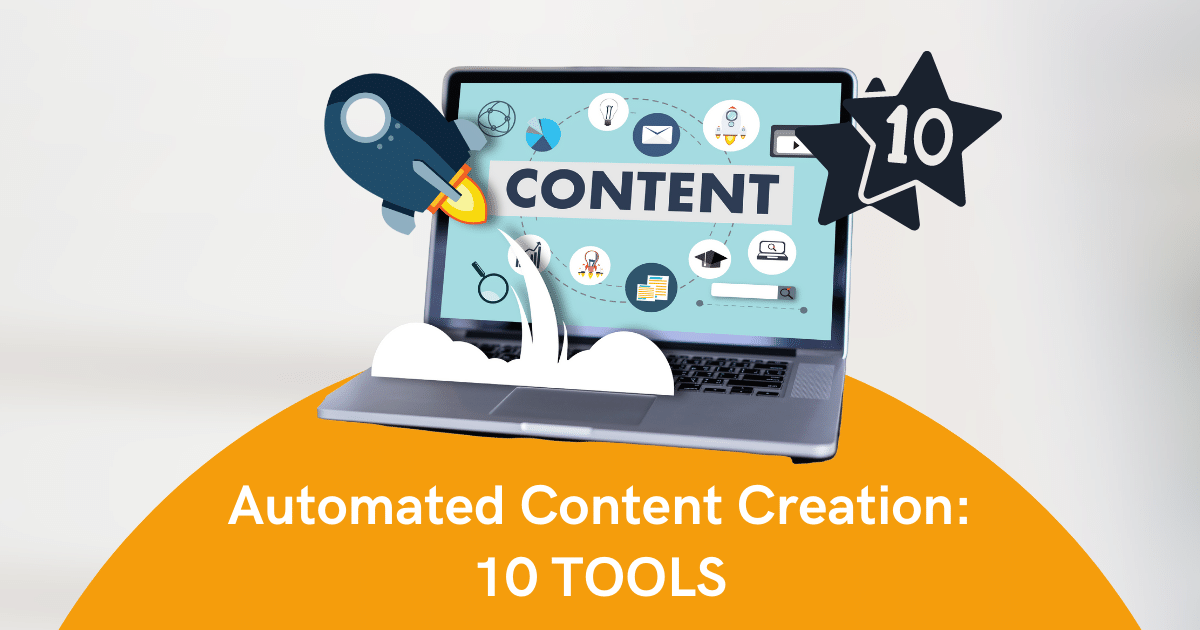
AI writing assistants have transformed remote work across:
- blogging
- marketing
- documentation
- note-taking
- business communication
In 2025, content creation is no longer limited by speed of typing. AI can expand drafts, rewrite text, clarify complexity, and translate across languages instantly.
Knowledge assistants allow remote workers to extract meaning from research at scale. PDFs, reports, articles, and datasets can be summarized and searched conversationally.
Instead of reading 100 documents, professionals extract what matters in minutes.
This does not reduce thinking.
It increases access to thinking.
AI in Meetings: From Fatigue to Intelligence
Meetings were once the greatest time-waster of remote work.
Now, AI is rewriting collaboration.
Meeting tools powered by artificial intelligence can:
- transcribe discussions in real time
- summarize decisions
- assign tasks automatically
- analyze emotional tone
- detect participation imbalance
The remote worker in 2025 no longer leaves meetings with confusion.
They leave with structured insight.
Follow-ups are automatic.
Miscommunication fades.
Time is regained.
AI Development Tools Are Redefining Programming
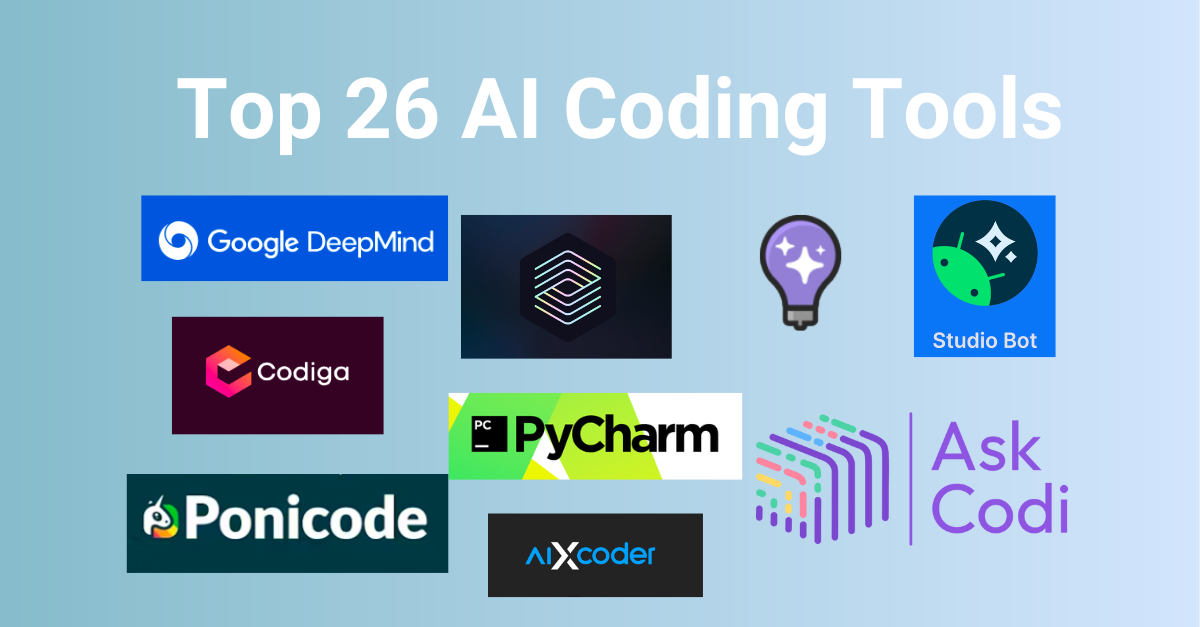
Developers became early beneficiaries of artificial intelligence. Code assistants now:
- detect errors
- auto-complete functions
- generate scripts
- explain bugs
- optimize performance
This does not eliminate developers.
It elevates them.
Coding becomes architecture rather than repetition. Instead of writing basic structures, developers focus on problem solving.
AI has shortened development cycles dramatically.
Remote developers are no longer isolated engineers.
They operate as design directors supported by automation.
Ergonomics Meets AI: The Physical Side of Productivity
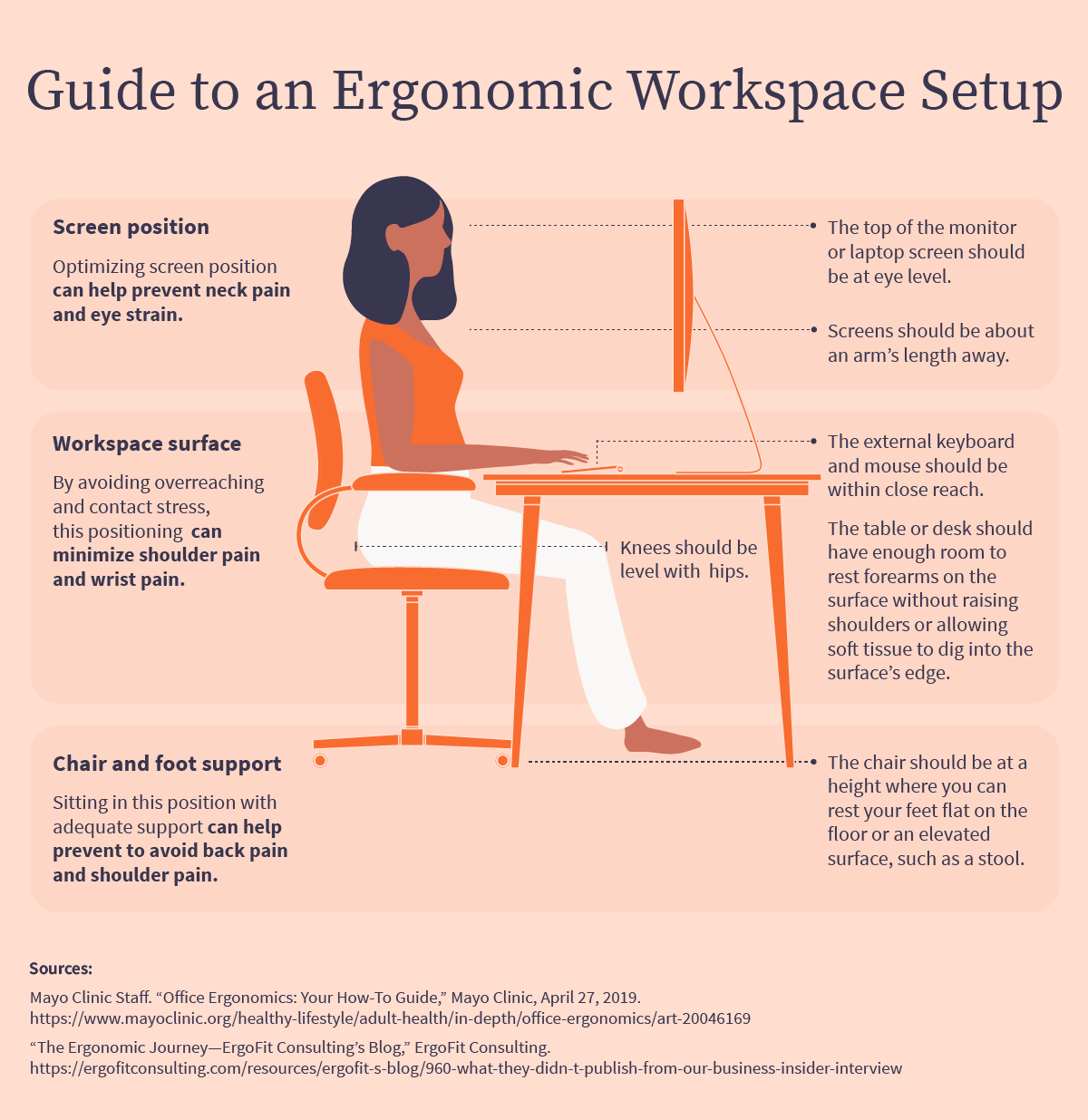
While AI transforms digital input, physical comfort still defines performance. Long-term productivity collapses without bodily support.
Remote professionals are investing in:
- ergonomic chairs
- vertical mice
- wireless mechanical keyboards
- adjustable monitors
- posture correction tools
AI cannot undo back pain.
Comfort remains mechanical.
The difference now? AI tools reduce digital load while ergonomic tools support physical stability.
Productivity lives at this intersection.
Security and Privacy: The Silent Trade-Off
Artificial intelligence requires data.
And data invites risk.
Remote workers now handle sensitive information daily—contracts, passwords, files, recordings. AI tools operate inside that infrastructure.
This reality creates a new responsibility: digital discipline.
Remote professionals must now consider:
- encryption policies
- access control
- AI data retention
- cloud security
- consent management
Efficiency without protection becomes vulnerability.
Smart tools without security become liabilities.
In 2025, privacy is not a preference.
It is professional hygiene.
Freelancing and the AI Advantage
Freelancers gain the most from AI adoption.
Why?
Because AI multiplies solo operators.
Designers automate drafts. Writers generate outlines. Consultants analyze strategy. Marketers monitor analytics without dashboards.
The remote economy favors scalability.
AI gives freelancers the power to expand without hiring.
Those who adopt it early outperform easily.
Mindset Shift: Remote Work Has Accountability Now
Remote workers once fought for recognition.
In 2025, performance is measured digitally.
AI tools produce metrics for:
- output
- response time
- project efficiency
- collaboration score
This replaces guesswork with visibility.
Remote work is no longer “soft.”
It is measurable.
Competence is transparent.
Remote professionals are no longer invisible.
What About Fear of Automation?
Every technological shift inspires panic.
That pattern repeats.
The truth?
AI does not replace professionals.
It replaces inefficiency.
Remote workers who adapt become conductors of automation.
Those who resist remain manual operators.
Technology does not erase value.
It redefines it.
The Future Is Already Operational
There is no “soon” with AI.
It is live.
It is embedded.
Remote work in 2025 is not “work from home.”
It is work from intelligence.
Physical location does not matter.
Capability does.
Final Perspective
AI-powered remote tools did not make work easier.
They made it faster.
They made it cleaner.
They made it scalable.
Work from home has become:
- intelligent
- responsive
- automated
- personalized
Those who integrate AI lead.
Those who hesitate follow.
In 2025, the home office is no longer a desk.
It is a command center.