


April 2025 has become a defining month for global financial markets. After months of hesitation, uncertainty, and cautious investor sentiment, markets around the world began moving sharply upward. For many, this shift signals a return to optimism. For others—especially remote workers—it represents more than just numbers on a chart. It signals opportunity.
While traditional investors are watching trading floors and financial terminals, millions of freelancers, consultants, and independent workers are tracking the rally from their home offices. And unlike older generations of investors, today’s remote workforce doesn’t think of financial markets as “something Wall Street does.” They see markets as infrastructure—part of daily life, personal finance, and long-term strategy.
This rally is not just happening to remote workers. In many ways, it is being used by them.
Why Markets Are Rallying in 2025
Global markets don’t surge randomly. Every rally reflects a psychological shift in confidence. In 2025, a combination of economic, political, and technological factors is driving renewed optimism in equities and alternative assets.
First, investors are reacting to stabilization signals in global trade conditions. When global supply chains appear less fragile, markets respond with relief. The removal or softening of international tensions tends to encourage risk-taking in equity markets.
Second, monetary conditions are becoming more supportive of growth. Borrowing costs have shown signs of easing, and speculation around rate adjustments has shifted market psychology. When money becomes cheaper, investment increases.
Third, technology continues to fuel speculative growth. AI stocks, cybersecurity firms, fintech platforms, and infrastructure companies are viewed as long-term wealth engines. Investors are not simply betting on signs of recovery—they are betting on transformation.
For remote workers who earn digitally, these shifts matter deeply. Markets are no longer detached institutions—they are income multipliers.
Why This Rally Matters More to Remote Workers Than Office Employees
Remote workers live in a different financial reality.
Where traditional employees might depend on raises, bonuses, and corporate growth, remote professionals create income through services, digital property, and investments. Market rallies for them are not abstract—they affect:
• retirement accounts
• crypto portfolios
• short-term trading positions
• business expansion budgets
• savings leverage
• tax planning
Remote workers also operate across currencies. A strong market period allows them to earn internationally while benefiting from favorable exchange movements and asset growth.
For someone working online, your “workplace” is no longer a building. It is the global economy.
Side Hustles Become Serious Income During Market Surges
One trend is unavoidable: remote workers are no longer passive observers of financial markets.
Freelancers are:
• trading stocks
• investing in ETFs
• buying fractional shares
• exploring crypto responsibly
• diversifying across asset classes
Many began with curiosity and small amounts. Over time, those habits matured into real strategies. When markets rally, the distance between experimentation and meaningful income collapses.
Home offices transform into micro-investment stations.
The line between professional income and market income blurs.
The Psychological Advantage of Remote Workers
Remote workers are not tied emotionally to one employer.
They already live in:
• uncertainty
• adaptability
• proactive learning
• self-accountability
This mindset makes them more comfortable with:
• market swings
• portfolio fluctuations
• risk management
• diversification
Office employees often view investment as distant and passive.
Remote workers view it as active income engineering.
When markets rally, they move faster.
Not emotionally.
Strategically.
How Remote Workers Are Positioning Themselves During the Rally

Remote professionals are not “gambling.” The smart ones operate with systems.
Their strategies often include:
Broad Market ETFs
Rather than betting on single stocks, many invest in diversified index funds that track multiple companies at once.
Tech Sector Allocation
Technology remains the backbone of the remote economy. AI, cloud infrastructure, cybersecurity, and data services continue to attract capital.
Crypto with Caution
Digital assets have matured. Remote workers increasingly treat crypto not as hype but as a long-term speculative allocation.
Cash Reserves
Wise investors understand rallies don’t last forever. They keep capital ready for future dips.
Remote workers think in cycles, not emotions.
Investing Is No Longer Optional for Digital Workers
In 2025, relying only on client income is risky.
Markets offer:
• growth leverage
• capital expansion
• hedge against income dips
• inflation protection
• long-term wealth vehicles
Remote workers who ignore investing remain dependent on workload alone.
Remote workers who invest gain optionality.
The Hidden Benefit Nobody Talks About: Confidence
When investments grow, something changes psychologically.
Remote workers begin:
• negotiating higher rates
• taking calculated risks
• launching digital projects
• rejecting bad clients
• investing in education and tools
Market growth does not merely build wealth.
It builds confidence.
What Could Go Wrong?
No rally is permanent.
Market surges can reverse.
Remote workers who profit:
• avoid emotional overexposure
• limit speculative positions
• never trade with rent money
• rebalance portfolios regularly
• avoid “all-in” behavior
If a rally fades, the disciplined survive.
The impulsive evaporate.
Market Volatility Affects More Than Portfolios
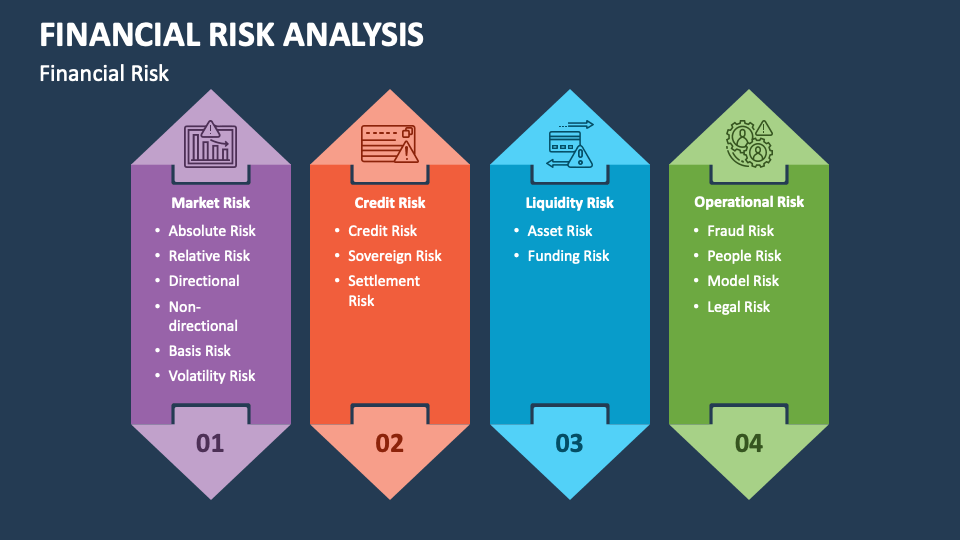


Market instability impacts:
• freelance demand cycles
• exchange rate values
• cost of living
• client budgets
• investment appetite
Remote workers track economic conditions not as curiosity—but as visibility.
They know:
When markets rise, companies hire.
When markets drop, projects shrink.
Understanding markets becomes career intelligence.
The New Type of Worker in 2025
Remote professionals today are:
• income strategists
• digital entrepreneurs
• independent contractors
• investors
• brand builders
Work is no longer singular.
It is layered.
Freelancing + investing + digital products + ownership = modern labor.
The Shift from Worker to Wealth Operator
Traditional models taught:
“Work hard for stability.”
Remote work teaches:
“Build systems for freedom.”
Markets reward those who think long-term.
Remote workers who combine skill income with asset growth eventually stop thinking month-to-month.
They think decade-to-decade.
Why April 2025 Matters
This rally represents:
• restored confidence
• renewed liquidity
• psychological turning point
Remote workers aren’t celebrating because charts are green.
They’re paying attention because behavior is changing.
Markets move on emotion as much as data.
And right now?
Emotion is shifting.
Market Literacy Is the New Career Skill
Knowing how to:
• read charts
• manage risk
• understand cycles
• protect capital
• analyze trends
…is becoming just as important as digital skills.
Remote professionals who stay ignorant of markets lose opportunity.
Information is currency.
Final Perspective
The global market rally in April 2025 is not luck.
It’s leverage.
And remote workers are in the best position to exploit it.
Not because they’re smarter.
Because they’re closer to the tools.
Their homes are command centers.
Their laptops are trading desks.
Their income is global.