

How These Technologies Are Reshaping the World in 2025

Augmented Reality (AR) and Virtual Reality (VR) are no longer ideas from science-fiction movies. In 2025, they are becoming part of everyday life. From working remotely inside virtual rooms to previewing furniture in your living room, AR and VR are expanding the boundaries between physical and digital experience. What once required expensive hardware is now increasingly accessible to normal consumers, businesses, and students.
The reason these technologies matter is not because they are “cool.” They matter because they change how humans interact with information. Screens, keyboards, and mice are being replaced by immersive interaction. Instead of observing content, people step into it.
AR overlays information on the real world. VR creates a new world entirely. Both aim to improve experience, understanding, and efficiency. Together, they are reshaping industries and redefining daily life.
Understanding the Core Difference Between AR and VR
Augmented Reality enhances the real world rather than replacing it. When you point your phone camera at a street and receive navigation arrows, that is AR. When you use your phone to preview how new furniture fits in your home, that is AR. Real life continues to exist — only improved by digital layers.
Virtual Reality, in contrast, removes the real world entirely and replaces it with a simulated environment. When you put on a VR headset, your surroundings disappear, and your vision is transported to a computer-generated world. In this space, learning, gaming, working, or socializing becomes an immersive experience rather than a passive one.
The difference may seem small, but the applications vary greatly. AR improves reality. VR replaces it.
Gaming: The Industry That First Went All-In

Gaming was the first industry to fully embrace VR—and it shows. Unlike traditional games that rely on screens, VR allows players to exist inside the game world. Movement, hand gestures, and physical reactions become part of the gameplay itself.
Games like Beat Saber and Half-Life: Alyx demonstrated that VR could go beyond novelty. They showed storytelling, physical engagement, and emotional involvement at a level traditional gaming cannot reach. Players no longer control characters. They become the characters.
As VR hardware becomes lighter and cheaper, gaming environments will continue evolving into fully interactive universes. Online multiplayer VR experiences are also becoming more social, allowing people to meet, explore, and compete across continents — inside the same virtual room.
Education: Learning Without Walls

Education is undergoing one of the most dramatic transformations thanks to AR and VR. Instead of reading about ancient civilizations, students now visit them virtually. Instead of memorizing anatomy, they explore human bodies in 3D. Learning becomes experience rather than memorization.
AR is used increasingly in classrooms through smartphones and tablets, adding visuals and interactive overlays to physical textbooks. VR takes students far beyond the classroom, offering virtual laboratories, historical tours, and practical simulations.
In professional training, VR shines even more. Medical students practice surgeries without risk. Engineers practice repairs without danger. Pilots train in virtual cockpits long before flying real aircraft. Failure becomes safe — and therefore more educational.
Technology does not replace teachers. It amplifies them.
Healthcare: Medicine Meets Simulation
In healthcare, AR and VR are not entertainment tools — they save lives. Surgeons use VR for training complex operations before entering operating theaters. Therapists use immersive environments for exposure therapy, pain management, and psychological treatment.
Phobia treatment through VR allows patients to confront fear safely. Burn victims experience less pain with distracting virtual landscapes. Stroke victims regain movement through game-based rehabilitation systems that combine therapy with motivation.
Hospitals also use AR to visualize anatomy directly on patients during procedures. Doctors see beyond skin. Precision improves. Risks drop. Training becomes real without fatal consequences.
Healthcare has always needed simulation. VR finally delivered it.
Real Estate and Architecture: Before You Build, You Walk Through It
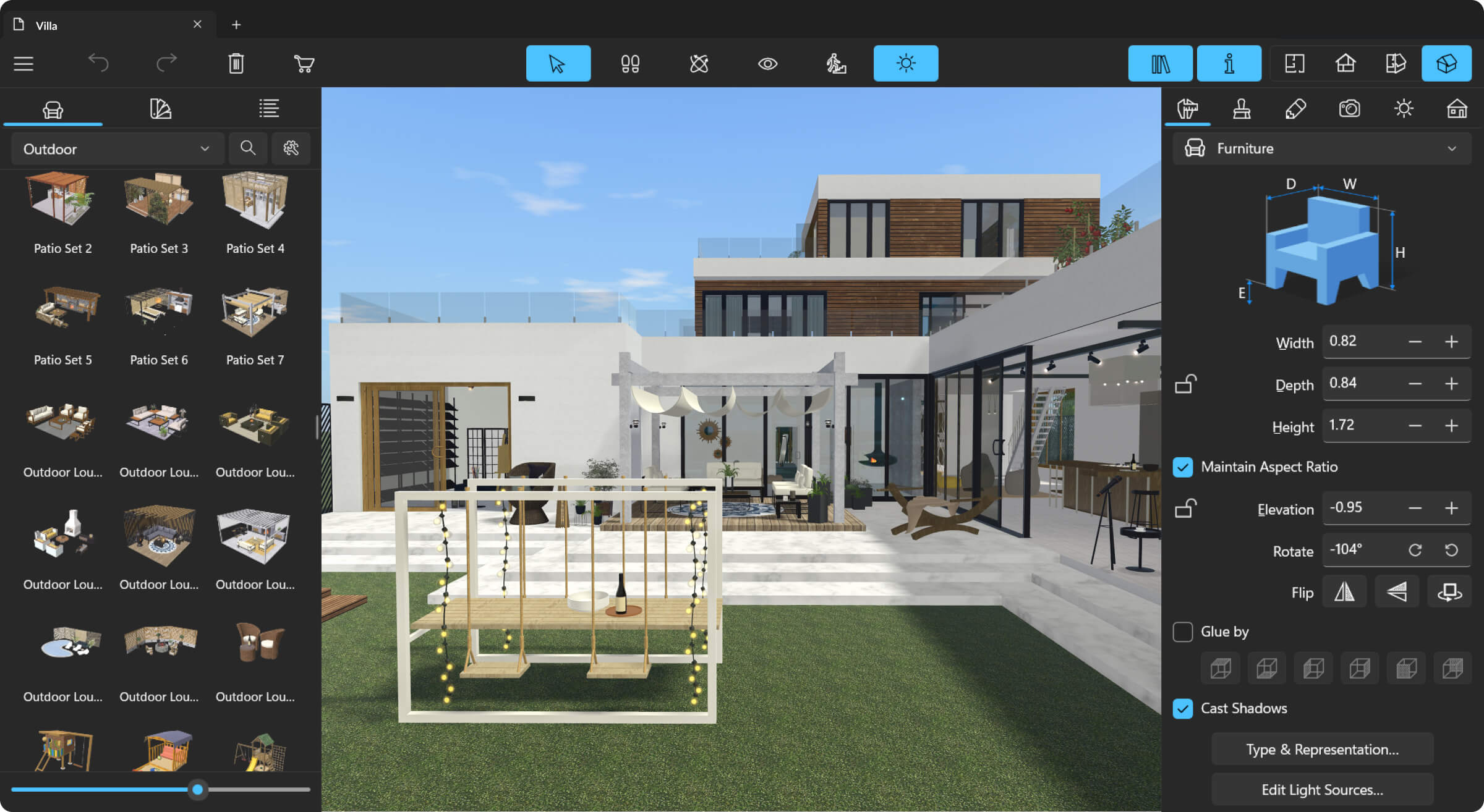
One of the most visible changes is happening in real estate. Instead of static photos, buyers now walk through homes virtually before stepping inside physically. Real-estate agencies use VR tours to save clients time and increase serious inquiries.
For architects, AR and VR allow direct design review. Buildings are no longer imagined on paper. They are experienced as real spaces while still being designed. Mistakes become obvious early. Changes become easier.
Construction errors cost millions. Immersive design reduces those mistakes dramatically.
Entertainment and Events: The Rise of Virtual Spectators
Concerts, events, and even cinemas are entering virtual space. Fans attend concerts from living rooms. Friends meet at virtual movie premieres. Artists perform inside software worlds.
Virtual entertainment does not replace physical experiences — it expands access. Artists reach global audiences without geographic limits. Fans enjoy front-row experiences without travel or cost.
Virtual spaces are becoming holiday destinations. Parties, performances, and conferences will increasingly exist in parallel worlds.
Workplace and Corporate Training: Offices in the Cloud

Remote work reshaped industry after 2020. AR and VR are pushing it further.
Virtual offices allow teams to sit around tables from different countries. Whiteboards become shared holograms. Meetings stop being video calls and become spatial experiences.
Corporate training benefits especially. Risky environments are simulated. Workers practice emergencies safely. Management observes behavior realistically.
This is not futuristic. This is operational reality in leading companies.
Social Life in Virtual Worlds
Social platforms are no longer limited to screens. Virtual communities allow full-body interaction through avatars. Friends meet as characters. Conversations feel more natural. Movements replace emojis.
VRChat and Rec Room demonstrate that human connection adapts quickly to immersive environments. Digital identity becomes creative. Communication becomes embodied.
Loneliness changes shape, but it does not disappear. AR and VR provide new ways to fight it.
Tourism and Exploration: Travel Without Planes
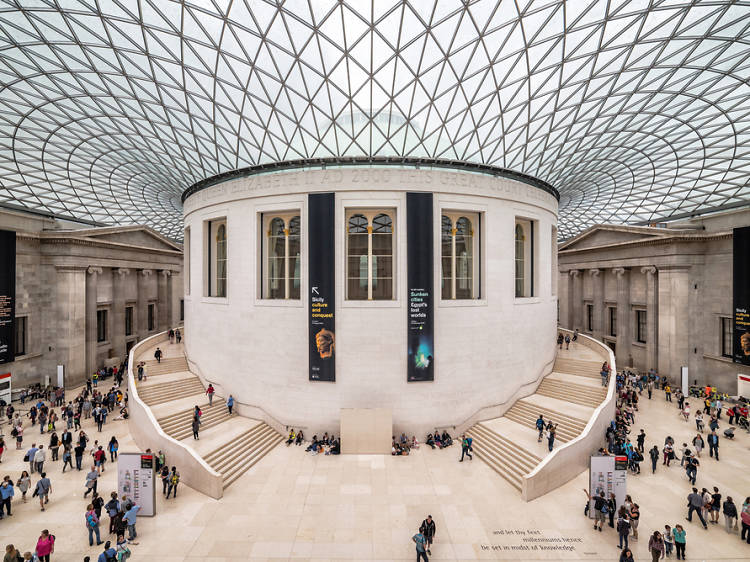
Tourism is also transforming. People visit museums, cities, and natural landmarks virtually. For those who cannot travel physically, VR makes exploration accessible.
This does not replace tourism — it stimulates it. Virtual previews generate curiosity. Travel decisions become more informed. Risk decreases.
AR helps tourists physically on-site with translation, direction, and cultural information layered into reality.
Creativity, Art, and Design
Artists are no longer limited by gravity or canvas size. VR allows painting in three-dimensional space. Sculpting becomes digital. Entire galleries emerge inside virtual systems.
Creative professionals collaborate globally on 3D models as if working on the same object in real time. Architecture, fashion, and product design all benefit from immersive creativity.
Art escapes physical limits.
The Reality Check: Limitations and Challenges
Despite excitement, AR and VR are not perfect. Hardware can be expensive. Prolonged use can cause discomfort. Software ecosystems remain fragmented. Privacy issues emerge as sensory data is collected.
Technology evolves. Standards will stabilize. Prices will fall.
The internet itself once had similar problems.