

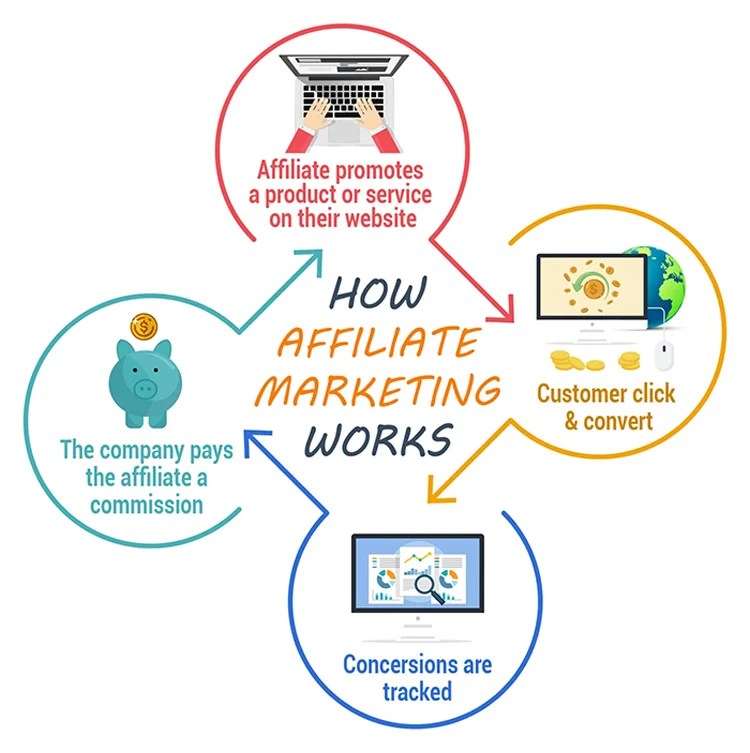
Affiliate marketing is often described as one of the easiest ways to make money online, but it is usually explained in a way that feels unrealistic. It is not magic, it is not instant, and it is definitely not automatic. What it is, however, is a system that allows you to earn money by helping people make better decisions. When done correctly, affiliate marketing becomes a digital asset that keeps working even when you are not actively promoting. When done poorly, it becomes just another abandoned project that produced nothing.
In simple terms, affiliate marketing means you recommend products or services using a special tracking link. When someone purchases through that link, you receive a commission. The ethical version of affiliate marketing is not about pushing links everywhere. It is about creating useful content that solves a real problem, and then recommending the best solution you know. When you do that consistently, people start trusting your recommendations. Trust is where income truly comes from.
Unlike traditional business models, affiliate marketing requires no inventory, no shipping, no customer support, and no product creation. You are not responsible for refunds. You are not handling payments. All you do is connect the right person to the right product at the right time. That low barrier to entry is what makes affiliate marketing attractive for beginners. But what most people misunderstand is that while entry is easy, sustainability requires skill.
The first and most important decision in affiliate marketing is choosing a niche. Many beginners make the mistake of choosing what sounds “cool” instead of what solves real problems. Profitable niches always exist where people search for solutions. Health, finance, software, productivity, education, and remote work tools consistently perform well because they solve urgent or recurring problems. Your niche is not just a topic. It is a group of people with a common need.
Successful affiliate marketers do not target “everyone.” They target a specific type of person. Instead of writing about “fitness,” they write about “home workouts for busy professionals.” Instead of “software reviews,” they write about “remote work tools for small online businesses.” Narrow focus creates authority. Authority creates trust. Trust creates conversions.
Once your niche is defined, the next milestone is joining affiliate programs. Affiliate platforms exist to connect companies with promoters. Some offer thousands of products in different categories. Others are specialized platforms focused on one type of service or industry. What matters is not how many programs you join, but how relevant your offer is. A single high-quality program that truly solves a reader’s problem often outperforms dozens of random promotions.
Affiliate marketing is content marketing at its core. Content acts as the bridge between curiosity and conversion. Without content, there is no trust. Without trust, there are no sales. Blog articles, videos, and tutorials are not marketing tricks — they are relationship builders. They allow people to understand you before they buy from you.

Content should not be built around promotion. It should be built around problems. When you focus on helping before selling, readers feel it. Instead of pushing a product, explain how something works, how to choose correctly, and how to avoid mistakes. If your advice genuinely helps people, recommendations feel natural. Many beginners fail because they write as sellers. Professional affiliates write as educators.
Search engines remain one of the most powerful sources of long-term traffic. When you optimize your content correctly, it works day and night. People actively searching for solutions are already interested in buying something. That makes search traffic extremely valuable. Learning basic SEO transforms affiliate marketing from a hobby into a system.
Affiliate links should never feel aggressive. They should feel logical. When a tool or service naturally fits into your content, the link feels useful instead of intrusive. A recommendation should always answer a need already expressed in your article or video. Promotions work best when they are aligned with intent, not desperation.
Consistency is what separates people who succeed from those who quit. Many people write three articles, see no results, and give up. What they forget is that affiliate marketing is compound growth. Early content may feel invisible because search engines need time to trust you. But each article you write becomes a digital worker. Eventually, those workers stack. When they do, traffic becomes predictable.
Promotion is another key element. Content alone is not enough. Sharing your articles in communities, answering questions on forums, creating short-form content, and engaging with emails or social platforms help build initial traction. Organic traffic grows slowly. A smart affiliate uses multiple channels to attract attention.
But promotion must always remain ethical and helpful. Pushing links blindly destroys credibility. Participation builds it. When you answer genuine questions and offer value without pressure, people naturally want to explore what you recommend.
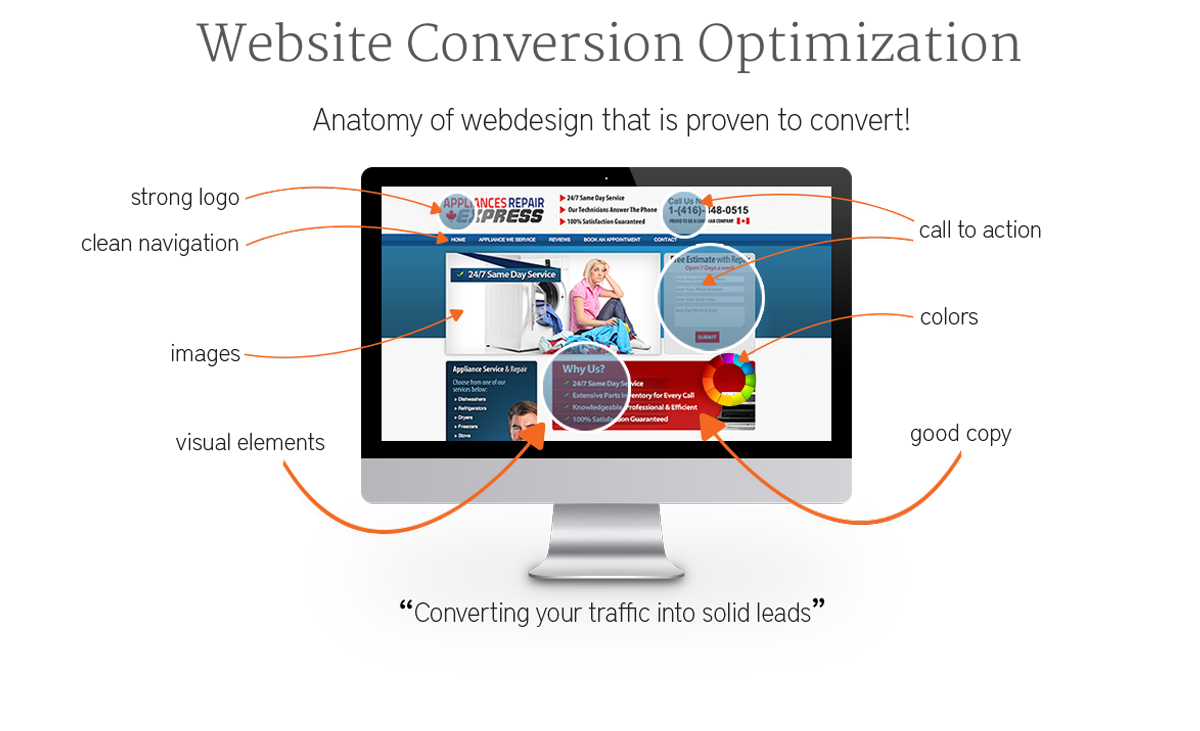
Many beginners misunderstand the term “passive income.” Affiliate revenue is not passive in the beginning. It becomes passive after systems are built. First comes work. Then comes stability. Then comes scale. The income feels passive once traffic, content, and conversion systems operate independently of your daily activity.
Scaling affiliate income happens through refinement. You study which content performs. You update articles. You expand into subtopics. You improve conversions. Professional affiliates treat content as assets, not finished tasks. They improve rather than replace.
Tracking your performance is essential. Without data, you guess. With data, you optimize. Click-through rates, conversion rates, and content performance reveal what works and what does not. Most beginners ignore data and then wonder why income stays low.
Trust cannot be rushed. Affiliate marketing is based on credibility. The more real your advice feels, the more readers rely on you. Authenticity converts better than manipulation. People do not choose the cheapest link. They choose the voice they trust most.
It is also essential to understand legality and transparency. Disclosing affiliate relationships builds trust and ensures compliance. Being honest about commissions increases credibility rather than hurting it. When you treat your audience respectfully, they respect your recommendations.
Some affiliates eventually build full businesses from their content. Others grow email lists. Some launch their own products. Affiliate marketing is often the gateway into larger digital entrepreneurship. The skills you develop — writing, SEO, marketing psychology, user behavior — apply everywhere.
Affiliate marketing does not promise wealth. It promises opportunity. Income grows with effort, not beliefs. The people who earn consistently treat it as business, not as lottery.
If you are willing to learn, build, and adapt, affiliate marketing in 2025 remains one of the most powerful online income engines available.