
At first, burnout rarely feels dramatic. When you start working remotely, you may even feel energized. You have more freedom, fewer interruptions, and a sense of control you did not have before. But slowly, almost invisibly, something changes. You wake up tired even after sleeping. Tasks that once felt easy now require effort. Motivation fades without warning. You still work, but something inside you feels empty, heavy, or disconnected. This is burnout in its early form. It does not announce itself loudly. It grows quietly in the background until one day you realize that your energy, creativity, and emotional balance have been slowly drained.
Burnout in remote work is particularly dangerous because it hides behind productivity. When you work at home, you are physically always close to work tools. Your laptop, your phone, your emails, and your tasks are never far away. This creates the illusion that you are “always available,” which slowly transforms into “always working,” even when you are resting. Your mind never truly stops. Even when you are not actively working, part of your brain remains connected to unfinished responsibilities. Over time, this leads to mental exhaustion that sleep alone cannot fix. Burnout is not caused by working too much in a single day. It is caused by never fully disconnecting over long periods of time.
One of the main reasons burnout is so common in remote work is the absence of physical boundaries. In an office environment, your day begins when you arrive and ends when you leave. At home, there is no natural transition. You wake up “at work.” You eat “at work.” You rest “at work.” Without separations, your nervous system stays in alert mode. This permanently elevated state of awareness drains emotional and physical resources. Over time, your body interprets this continuous alertness as danger. You feel restless, irritable, and tired without knowing exactly why. This is not laziness. It is a biological response to chronic mental pressure.
Burnout also grows from emotional isolation. When you work remotely, casual interactions disappear. There is no small talk, no shared laughter, no spontaneous human connection. Some people underestimate how much those small moments matter. Isolation feels peaceful in the beginning, but gradually it creates emotional emptiness. Work becomes heavy without social support. You carry stress alone. Problems feel larger because there is nobody around to normalize them. Without dialogue, feelings accumulate instead of being released. Emotional pressure without release always leads to burnout.
Another silent cause of burnout is the belief that working longer means being more responsible. Many remote workers think that answering messages late, working weekends, and staying available at all times is a sign of professionalism. In reality, it often becomes self-destruction disguised as dedication. Overworking does not increase value; it reduces performance. When your energy drops, your work quality drops with it. Creativity fades. Decision-making becomes slower. Everything feels heavier than it should. Burnout is not a badge of honor. It is a warning sign that something is fundamentally wrong in how your work fits into your life.
Burnout also thrives in unstructured days. When your schedule is vague, your responsibilities expand to fill every empty moment. You no longer know when work ends, because nothing clearly defines it. This uncertainty creates constant mental friction. You never feel “done.” Every rest moment is contaminated by guilt. You relax while thinking you should be working. This mental conflict consumes huge amounts of energy. Over time, your motivation dissolves, not because you hate your work, but because your mind no longer associates work with clarity or completion.
Another factor is the emotional pressure of self-management. Remote work puts you in charge of everything. You choose when you start, when you stop, and how much you do. This freedom is empowering, but it is also heavy. When things go wrong, there is often nobody to blame or rely on. You carry the responsibility alone. If you fail to create healthy systems, you end up blaming yourself instead of correcting your structure. Shame grows quietly. And shame always accelerates burnout.
The body also plays a role in burnout that many people ignore. When you stop commuting and moving naturally throughout the day, your life becomes more sedentary. Long hours of sitting reduce blood circulation, increase tension, and create fatigue. Physical stagnation leads to mental stagnation. You feel heavy not because work is difficult, but because your body is underused. Burnout does not always look like emotional collapse. Sometimes it feels like permanent tiredness without visible cause.

Digital overload is another hidden ingredient. The constant flow of messages, notifications, and information fragments your attention until your mind becomes permanently scattered. When your attention is constantly pulled in different directions, deep thinking becomes impossible. You live in reaction mode instead of creation mode. Over time, this destroys satisfaction. You feel busy every day but rarely fulfilled. Burnout grows in environments where everything demands attention, but nothing feels meaningful.
Many people also suffer burnout because they never emotionally finish their workdays. When you close your laptop but keep thinking about unfinished tasks, your nervous system remains activated. Sleep becomes lighter. Rest becomes superficial. You wake up tired and frustrated without understanding why. This is not insomnia. It is unresolved cognitive load. Your mind refuses to rest because it was never given a clear signal that work had ended.
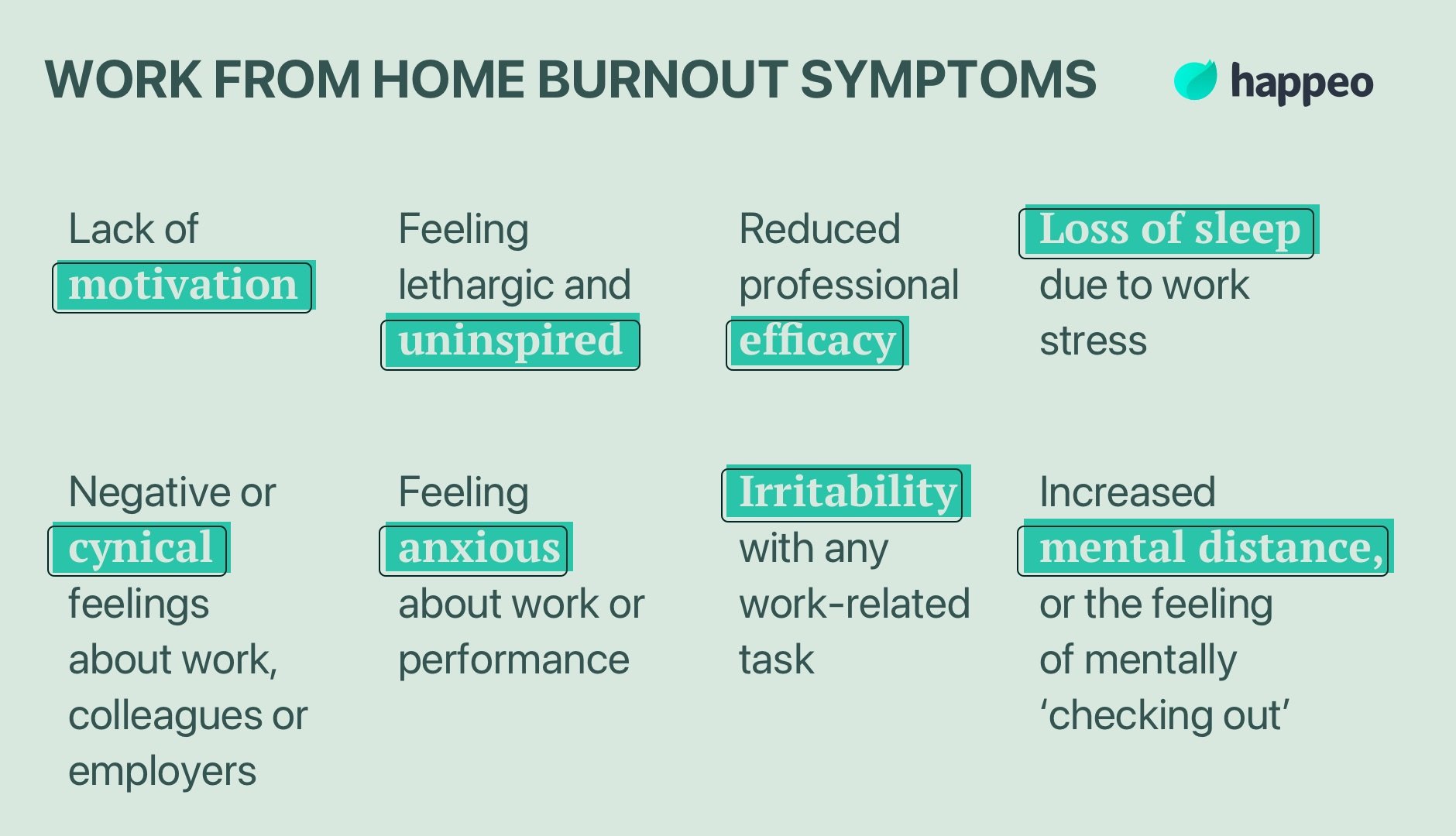
Another common mistake is ignoring early warning signs. Burnout rarely appears suddenly. It starts as reduced enthusiasm, mild irritability, slower thinking, and less interest in things you once enjoyed. These signals are often ignored until they become impossible to avoid. By then, recovery takes much longer. Burnout prevention is not about heroic effort. It is about noticing small changes and correcting course early.

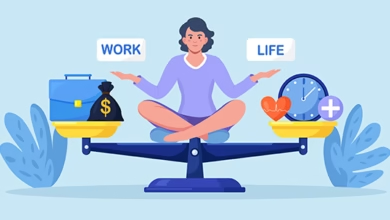
Avoiding burnout is not about working less; it is about working consciously. You must give your mind clear signals about when work begins and when it ends. This creates psychological safety. When your brain knows that rest is coming, it tolerates effort better. You must also protect your social life, even if it feels inconvenient. Human connection is not optional. It is fuel. Without it, motivation disappears. It is not enough to communicate through work chats. You need real interaction, even if it happens online.
Listening to your body is equally important. Discomfort, fatigue, and tension are messages, not weaknesses. Ignoring them does not increase endurance; it guarantees breakdown. Movement, rest, and physical care are part of professional responsibility in remote work. You cannot perform mentally if you neglect your physical foundation.
Another essential element is redefining success. Many people burn out because they measure success through exhaustion instead of impact. If you feel guilty for resting, your definition of success is broken. Productivity is not how tired you are at the end of the day. It is how much value you create without destroying yourself.
Burnout also disappears when work reconnects with purpose. When you forget why you are doing what you do, every task becomes heavy. But when your work aligns with something that matters to you, your energy returns. Purpose does not remove effort, but it makes effort meaningful.
In the long run, remote work does not reward constant availability. It rewards sustainability. The people who succeed over time are not the ones who work the longest hours, but the ones who protect their mental health fiercely. They understand that burnout is not failure; ignoring burnout is.
Working remotely can either drain you or liberate you. The difference is not talent. It is awareness. Burnout arrives when you refuse to listen to your own limits.
If you learn to respect your time, your energy, and your emotional needs, remote work becomes powerful. If you ignore them, it becomes destructive.
Burnout is not inevitable. It is preventable. But only if you decide that your wellbeing is not negotiable.