

The rise of remote work has changed the way businesses operate, and with this transformation, the role of the virtual assistant has become one of the most important remote careers in the world. Entrepreneurs, startups, and small businesses are no longer building local teams only; they are building global support systems. In this environment, virtual assistants are in high demand. They make businesses function smoothly by handling tasks that would otherwise drain time, energy, and attention from business owners.
Becoming a virtual assistant is no longer a temporary trend. It is a professional path that continues to grow year after year. With more companies choosing remote systems and digital tools, the need for support workers who can operate entirely online has never been greater. Virtual assistants are no longer limited to simple admin work. Many work in specialized fields such as social media management, customer service, content management, research, email marketing, and even light technical support.
What makes the virtual assistant career attractive is not only flexibility but also accessibility. Unlike some remote jobs that require years of training or complex certifications, many people start as virtual assistants using skills they already have. Communication, organization, and problem-solving are more valuable in this field than formal degrees. With consistency and learning, a virtual assistant can quickly move from beginner tasks to higher-paying specialized services.
A virtual assistant’s role is based on supporting businesses remotely. Some handle day-to-day administrative work, while others assist with marketing, content scheduling, client communication, and digital organization. The job changes depending on the client, and that flexibility is precisely what makes this career powerful. VAs are not locked into one industry. A virtual assistant today might support a travel blogger and next month help an online business owner with product launches.
One of the most important traits of a successful virtual assistant is communication. When you work remotely, every message carries more weight. There is no office hallway conversation to fix misunderstandings. Clarity, politeness, and responsiveness are essential. Whether you are answering emails, managing calendars, or speaking on video calls, your tone represents professionalism. Clients trust assistants who communicate clearly and frequently. When communication fails, the working relationship usually collapses.
Another essential skill is time management. A virtual assistant rarely handles only one client. Multiple responsibilities require organization and self-discipline. Without structure, a VA can become overwhelmed quickly. This is why experienced assistants build daily routines and systems early. Organization is not optional in this job — it is survival.
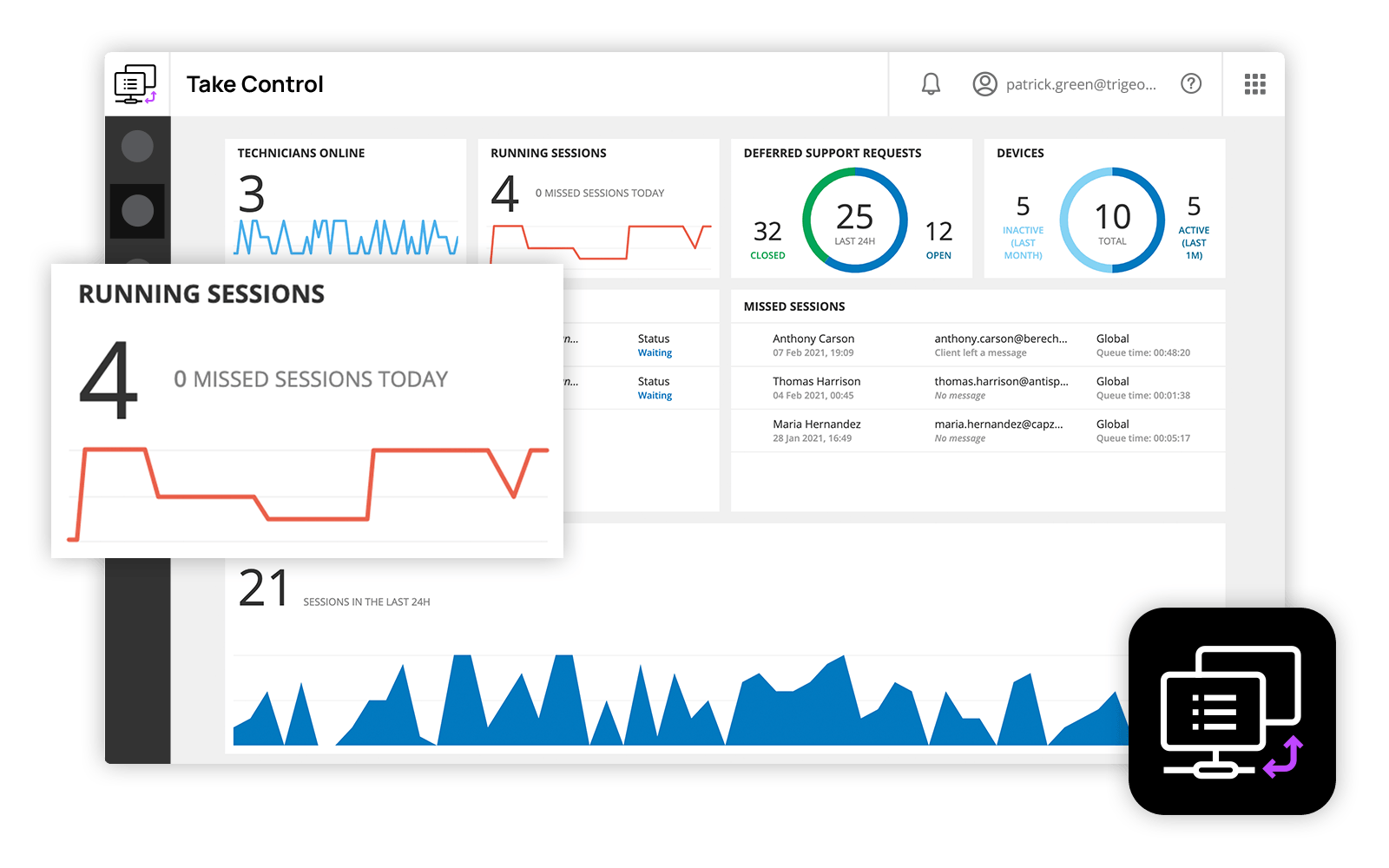
Technology also becomes part of your daily life as a virtual assistant. You do not need to be an engineer, but you must be comfortable with tools. Most virtual assistants work inside digital platforms that manage tasks, communication, documents, and schedules. The faster you can adapt to tools, the more valuable you become. Technology is not your competition — it is your advantage.
Being a good VA is not about waiting for instructions for every task. Clients truly value virtual assistants who think independently. Problem-solving is one of the fastest ways to stand out. When something breaks or becomes confusing, a strong assistant does not freeze. They look for solutions, test ideas, and offer suggestions. This behavior turns a virtual assistant into a business partner rather than just an employee.
Adaptability also shapes long-term success. Every client is different. Systems vary. Communication styles change. A virtual assistant must be flexible without losing structure. If you cannot adapt, frustration builds quickly. However, if you learn how to adjust without stress, clients start trusting you with more responsibility, which often leads to higher pay and longer collaboration.
One of the strategies that separates beginners from professionals is specialization. Many beginners start as general assistants, which is perfectly fine. Over time, the most successful VAs choose a specialty. Specialization allows you to charge more and work on more interesting tasks. Some assistants specialize in e-commerce management, others in podcast support, and others in content publishing or social media operations. The more specific your skill, the more valuable you become.
Finding clients in 2025 is easier than ever, but competition is real. Platforms exist where startups and business owners actively search for virtual assistants. Profile optimization is key. Clients do not read dozens of long profiles — they scan quickly. You must clearly state what you do, who you help, and how you create value. Experience is important, but confidence and clarity matter just as much.
Social networks also play an important role in getting hired. LinkedIn, Facebook groups, and professional communities are full of business owners looking for remote support. Many prefer to hire based on recommendations and personal connection rather than freelance platforms. Networking quietly opens doors that applications often close.
Once you start working as a virtual assistant, pricing becomes a common challenge. Beginners often underprice themselves out of fear. While it is understandable in the beginning, it becomes dangerous if you stay too cheap for too long. Low pricing attracts difficult clients and discourages growth. Virtual assistants who respect their own value are taken more seriously.
Income as a virtual assistant grows with experience and specialization. Beginners usually start with small contracts, but within months many increase their income by simply refining their services. Virtual assistance is not static. It grows as you grow.

One powerful way to increase your professional image is having a personal portfolio website. Even a simple one-page website shows credibility. It tells clients you take your business seriously. Your site becomes your digital office. It shows your services, your values, your personality, and how clients can contact you. A website is not required, but it significantly increases trust.
Another advantage of the VA career is mobility. Virtual assistants are not tied to one location. Some work from home, while others travel. As long as you have reliable internet, your job travels with you. This opens doors to flexible lifestyles and location independence.
However, this flexibility comes with discipline. Freedom can easily become disorganization. Working remotely requires structure. If you cannot separate work from personal life, burnout becomes possible even in a comfortable home environment. Smart assistants manage their energy just as carefully as their tasks.
Being a VA is not a “get rich quick” job. It is a real profession that rewards consistency, learning, and reliability. The growth may feel slow at first, but over time it becomes stable. Many virtual assistants move into agency work, consulting, or project management after several years.
Clients who work with reliable virtual assistants rarely look elsewhere. Trust creates long-term contracts. Long-term contracts create stable income. Stability transforms freelancing into a career.
The virtual assistant role will continue to expand in coming years. Businesses want lean teams. Remote systems are cheaper, faster, and scalable. Virtual assistants fit perfectly into this model. They allow companies to build support networks without complicated hiring processes.
The future of work is remote — and the virtual assistant career sits right in the center of that transformation.

Becoming a virtual assistant is not just about earning money. It is about learning business from the inside. You observe how companies grow, how marketing works, how customer service operates, and how digital workflows function. This exposure teaches you more than many traditional jobs ever will. A VA builds experience across industries quickly.
This profession also builds confidence. You solve problems. You help clients succeed. You become part of business operations. Over time, you no longer feel like a beginner — you feel like a professional.
Virtual assistance is not a shortcut. It is a gateway. Many people enter this field and eventually create their own businesses. Others use VA work to fund education or long-term projects. Some simply enjoy steady remote income.
Whatever your goal, being a virtual assistant in 2025 offers real opportunity.
If you are looking for a flexible, remote-friendly career that grows with you — this path is worth serious consideration.