




In 2025, data is no longer just information stored in spreadsheets or reports. It is the most powerful business asset in existence. Every click, transaction, conversation, and interaction generates data. What separates successful businesses from those falling behind is not access to information — it is their ability to understand and use it.
The world produces more data in a single day than entire civilizations generated over centuries. Companies are surrounded by numbers, charts, and statistics, but information alone does not guarantee advantage. Big data becomes valuable only when transformed into knowledge, and knowledge becomes powerful only when it shapes decisions.
Big data does not replace strategy — it fuels it.
Whether you are running a small online business, managing a remote team, or scaling a digital product, data is now your most reliable partner. Every assumption you make can be tested. Every idea can be analyzed. Every mistake leaves a digital footprint that can be studied.
In previous decades, leaders relied on intuition. In today’s economy, intuition is supported by intelligence.
Understanding Big Data in the Modern Business World
Big data is not simply “a large amount of data.” It represents a shift in how information is handled, stored, and analyzed. The term describes datasets that are too complex for traditional systems to handle efficiently. It includes customer behavior, operational performance, financial transactions, website activity, sensor information, and social media engagement.
Three characteristics define big data:
Volume – massive quantities of information
Velocity – data generated at incredible speed
Variety – information comes in many formats
Businesses that fail to adapt to this reality drown in information without benefit. Those that succeed build structures that organize chaos into clarity.
Big data does not guarantee good decisions.
Good interpretation does.
Turning Data Into Decisions Through Analytics
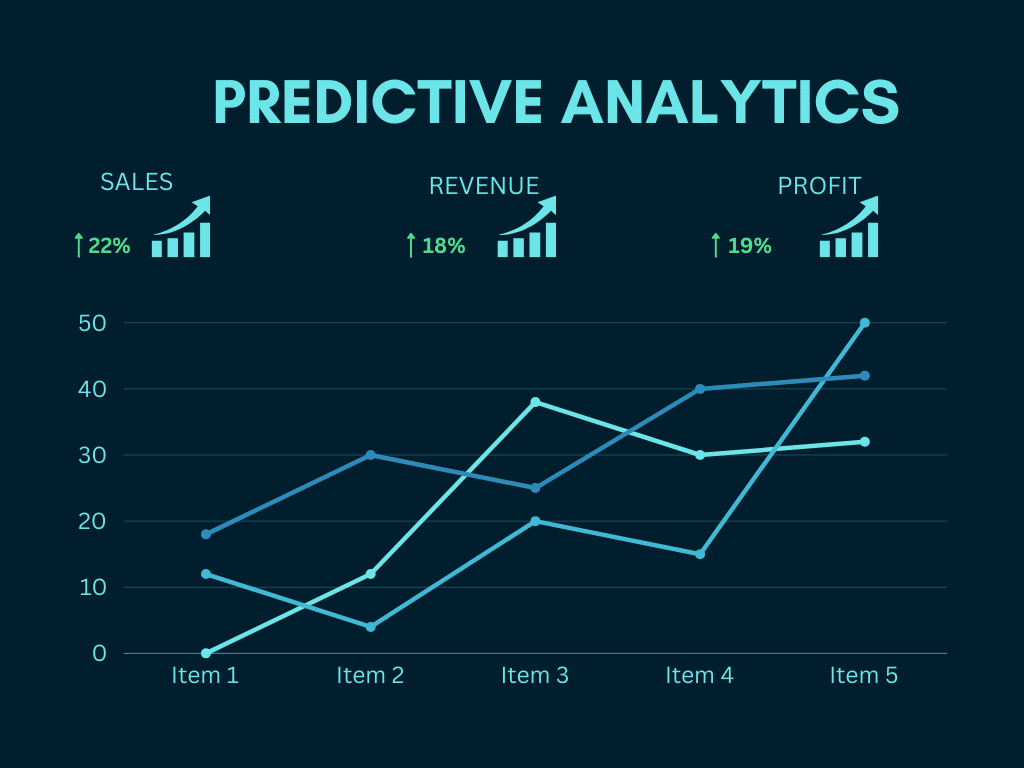
Analytics is where data becomes useful. Raw numbers alone are meaningless until analyzed. Data analytics is the art of asking the right questions and finding statistically supported answers.
In modern companies, analytics allow leaders to understand exactly what is happening inside their organization. They can monitor customer behavior, measure employee efficiency, and optimize workflows. Decisions become based on evidence rather than instinct.
Businesses use analytics to detect trends before they explode, identify problems before they escalate, and distribute resources where they matter most.
Instead of guessing why a product is not selling, analytics shows where customers leave. Instead of assuming marketing works, data reveals conversion rates instantly. Instead of preparing inventory blindly, analytics predict demand.
Analytics shifts leadership from emotional to precise.
Machine Learning: From Insight to Prediction

Machine learning takes analytics further by allowing systems to improve themselves automatically. Instead of waiting for humans to define every rule, machine learning algorithms identify patterns on their own.
In business, this means models that:
predict customer needs
detect fraud
recommend purchases
optimize logistics
forecast trends
Machine learning transforms historical data into future insight.
When a business knows what clients will want rather than what they wanted, strategy transforms. Decisions become preventive rather than reactive.
This does not eliminate humans — it empowers them.
Personalization: Building Relationships at Scale
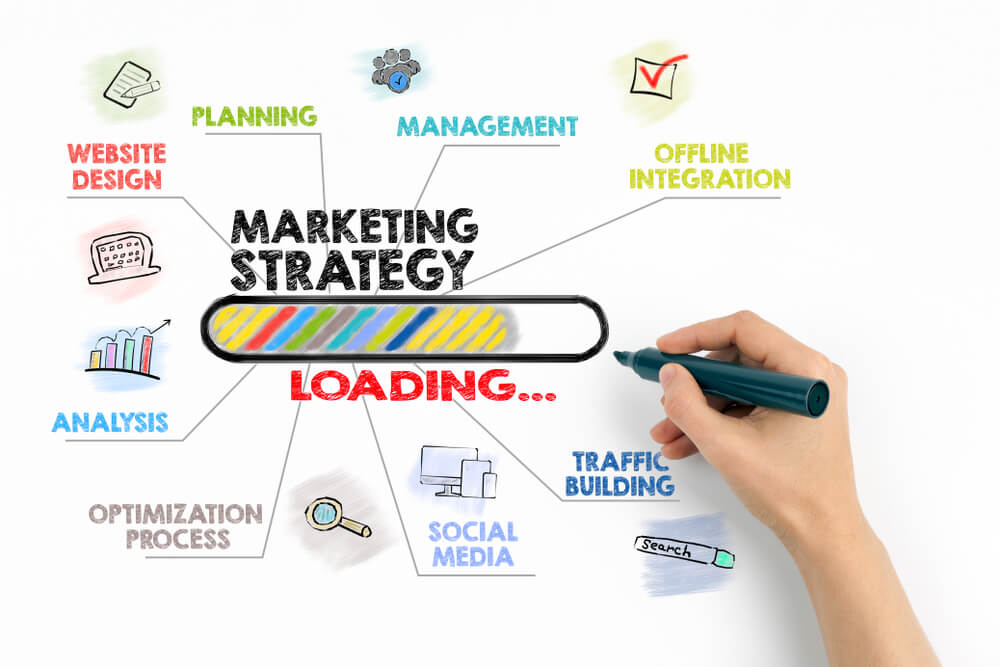
Customers no longer respond to general messaging. They expect relevance. Personalization is now standard, not luxury.
Big data enables businesses to:
track individual preferences
customize offers
tailor communication
predict interest
Email campaigns adapt to shopping behavior. Websites change content depending on visitor habits. Products are suggested based on browsing history.
Personalization transforms marketing into conversation.
You no longer shout into a crowd.
You speak to individuals.
Real-Time Data: Speed as Competitive Advantage
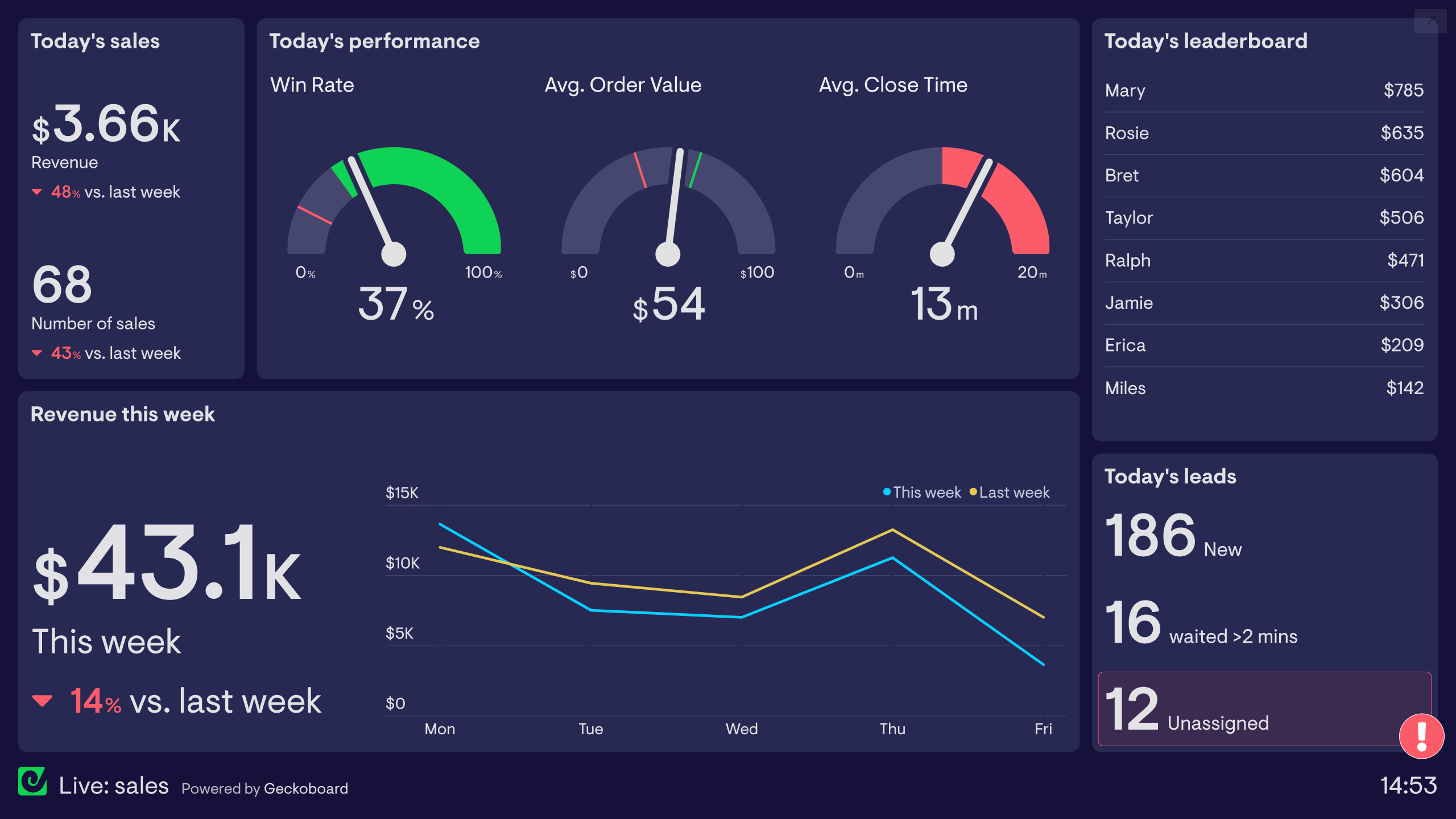
Speed has become a strategic weapon. Businesses react to change in seconds, not months.
Real-time data systems allow organizations to:
identify system failures instantly
monitor market behavior
handle customer complaints immediately
adjust prices dynamically
A company that sees problems as they happen prevents crises instead of repairing damage afterward.
Time lost is money lost.
Data delayed is opportunity denied.
Marketing Optimization Through Data
Marketing is no longer a gamble. Every campaign generates measurements. Every ad tells a story. Every visitor leaves a digital trace.
Companies test:
headlines
colors
images
text
offers
Nothing remains theoretical.
If content performs, it scales.
If it fails, it disappears.
Marketing becomes experimentation, not opinion.
Small businesses now operate with tools once exclusive to multinational corporations. Budget matters less than optimization.
The best marketer today is not creative alone.
They are analytical.
Efficiency Through Insight
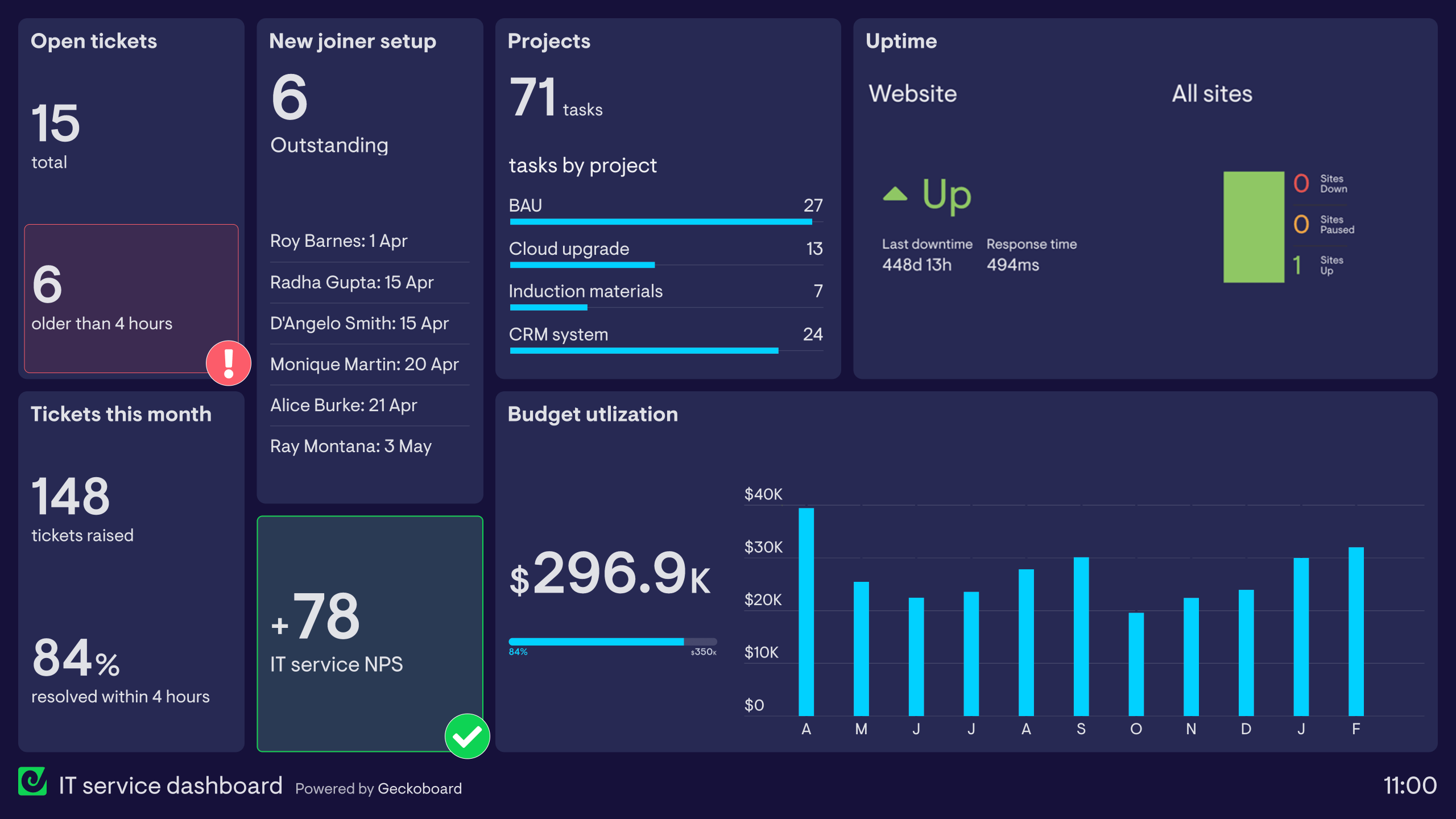
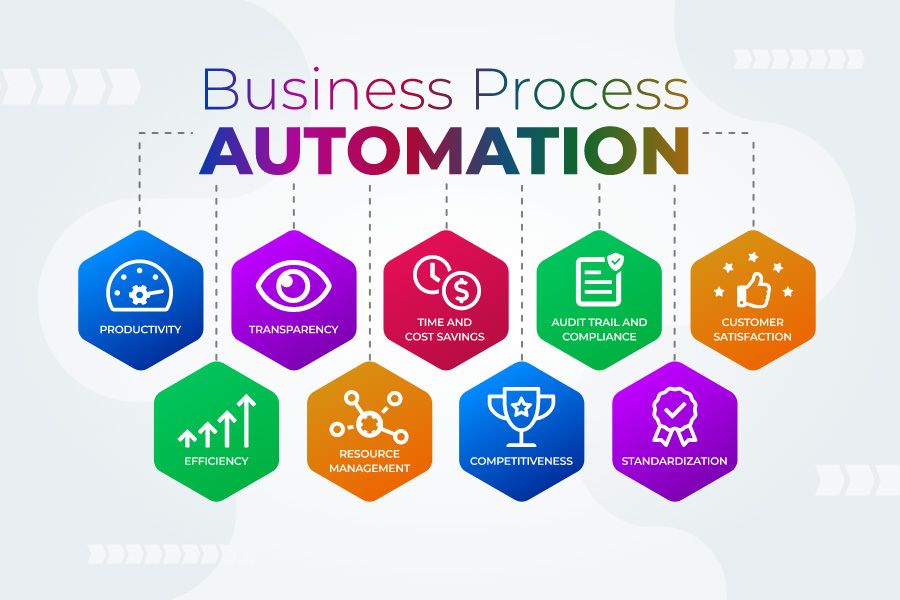
Data reveals which processes waste time, energy, and money.
It identifies:
bottlenecks
resource misuse
system inefficiencies
human error patterns
Operations shift from damage control to precision planning.
Resource management becomes forecasted. Staffing aligns with demand. Errors decline.
Data transforms companies into self-correcting systems.
Predictive Maintenance and Risk Control
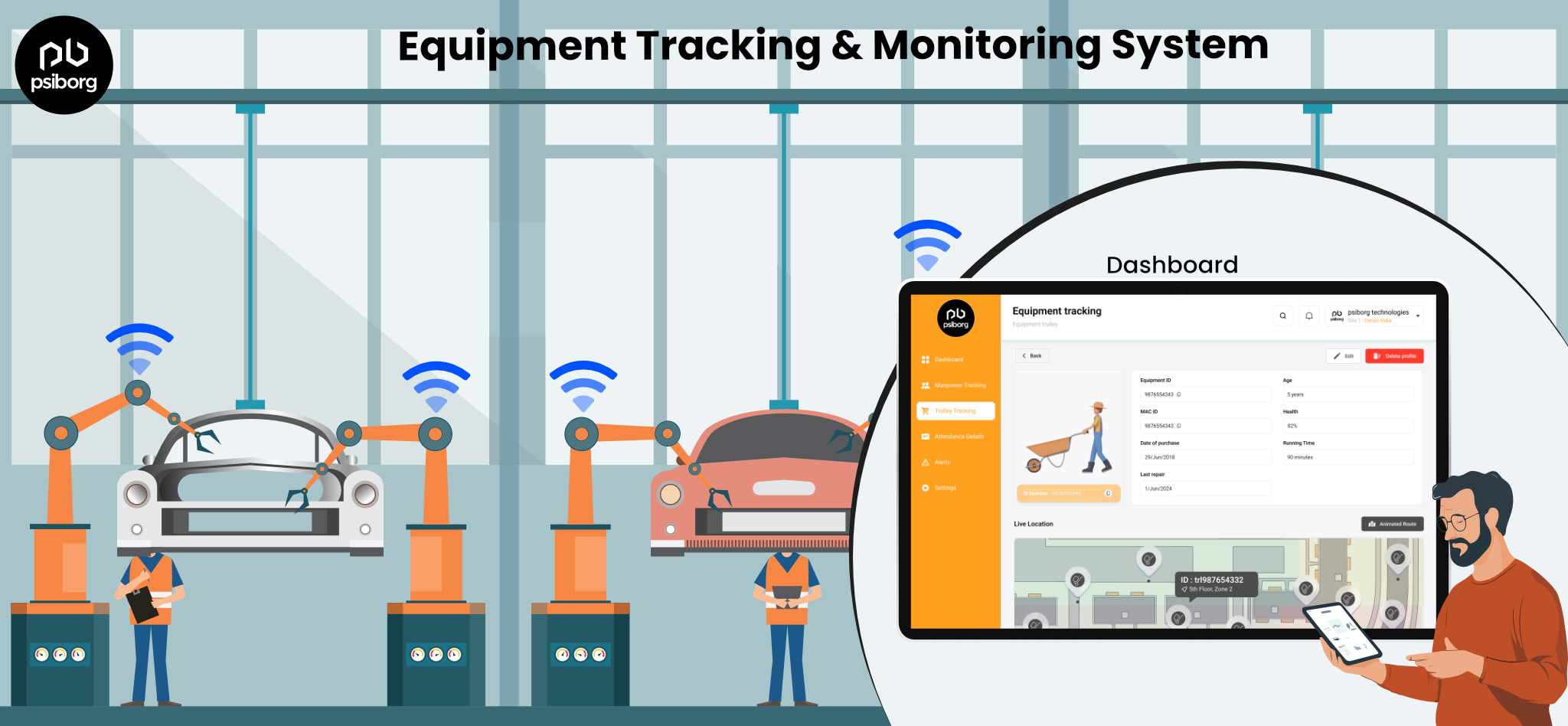
In manufacturing and logistics, breakdown is expensive.
Predictive models reduce downtime by analyzing:
temperature
vibration
usage frequency
performance history
Instead of fixing machines after failure, businesses prevent collapse before impact.
Maintenance becomes strategy.
Not reaction.
Data Security and Privacy: The New Standard
With data comes power, and with power comes responsibility. In today’s digital economy, businesses are no longer judged only by the quality of their products or services, but by how safely they handle information. Data has become currency, reputation, and strategy at the same time. When companies collect personal details, financial records, or behavioral insights, they are not just storing information — they are holding trust. And trust, once lost, is rarely recovered.
Cybersecurity is no longer optional because breaches no longer affect only systems; they damage credibility. A data leak is not just a technical failure — it is a public crisis. Customers expect organizations to protect their information with the same seriousness as banks protect money. When security fails, confidence collapses. In a competitive digital environment, a single incident can permanently push clients toward competitors.
Security systems are no longer limited to antivirus software or firewalls. Modern protection involves encryption that shields data even if stolen, access controls that limit what employees can see or change, and real-time monitoring systems that detect abnormal behavior. Compliance frameworks also play a major role. Businesses must now prove they respect privacy laws and establish transparent data policies. Security is not a feature. It is an obligation.
Trust in the digital world does not function like branding. It cannot be advertised into existence. It is built slowly and destroyed immediately. When trust breaks, customers do not wait for explanations. They leave. Data protection is no longer a technical concern — it is a business survival strategy.
But data is not only a risk to manage. It is also a source of innovation. While cybersecurity protects, data exploration creates growth. When businesses study customer behavior, engagement, satisfaction, and feedback, patterns emerge. These patterns reveal new needs, highlight weaknesses, and expose opportunities.
Innovation often appears spontaneous, but data-driven innovation is deliberate. Companies detect rising demands before competitors react. They identify gaps in services. They refine user experience continuously. Creativity grows from insight, and insight grows from analysis. Data transforms inspiration into strategy.
Leadership in this new environment is not replaced by machines. It is strengthened by them. Algorithms calculate outcomes. Humans interpret meaning. Artificial intelligence removes guesswork, but it does not replace judgment. Decisions still require responsibility, empathy, and ethics.
The belief that machines eliminate leadership is outdated. In reality, leaders now rely on clearer signals. Noise disappears. Opportunity becomes visible. Data does not remove humanity from business — it makes it more precise.
In the final analysis, big data is not a tool. It is a language. Companies that learn this language understand their customers better, adapt faster, and build stronger foundations. Those that ignore it build on assumption — and assumption is a weak structure.
Security protects trust.
Data fuels vision.
Leadership directs both.
In 2025, understanding data is no longer an advantage.
It is survival.